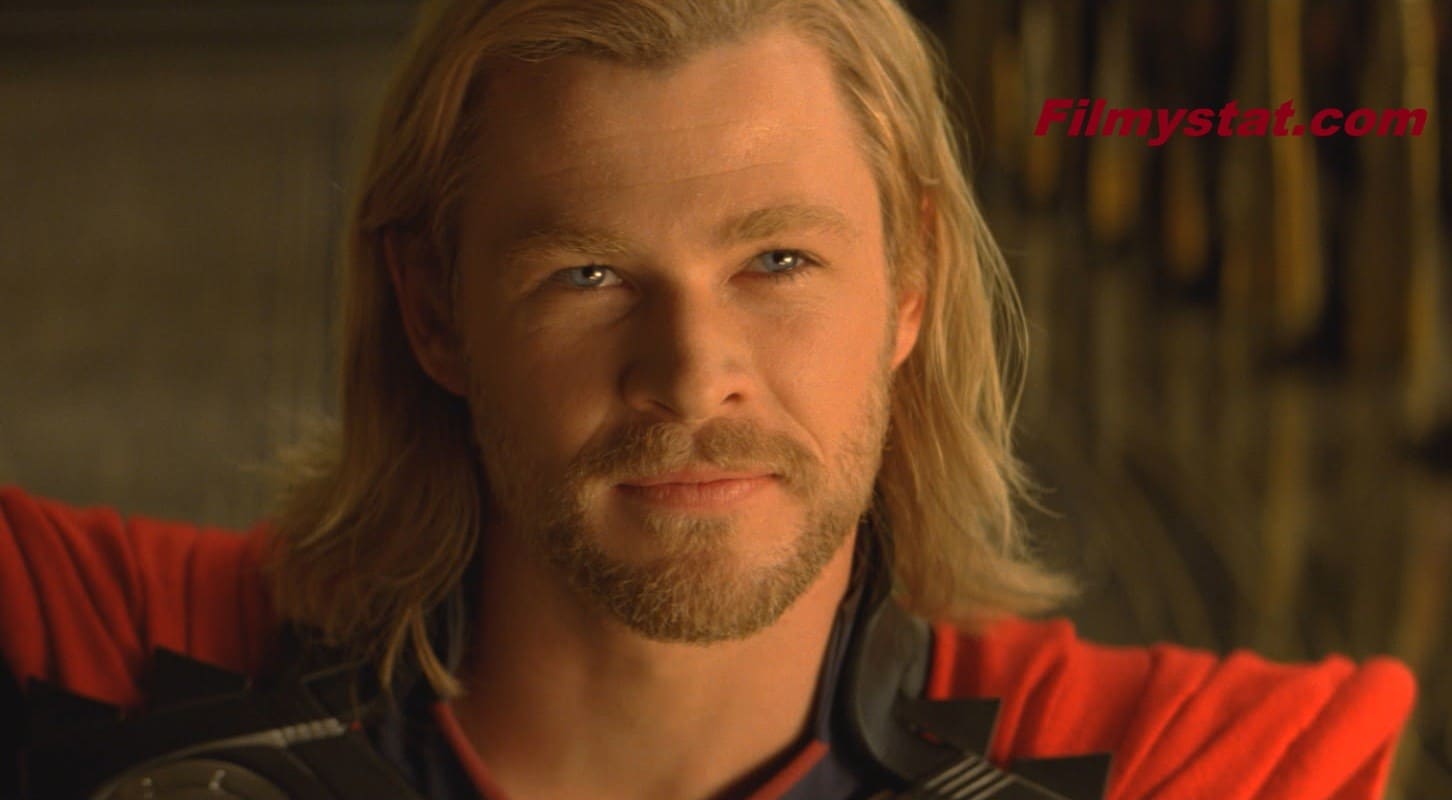
Thor (2011) introduced audiences to one of the mightiest heroes in the Marvel Cinematic Universe. Unlike most MCU movies set on Earth, Thor begins in a mythic realm among gods and ancient politics. It combines family drama, cosmic conflict, and personal growth into a superhero story with heart.
This guide breaks the film down in depth, including:
- A spoiler-free plot overview
- Character motivations and arcs
- Themes and world building
- A clearly separated spoiler section
- Useful FAQs for search visibility
- Explanation of the film’s impact on the Marvel timeline
Thor
| Detail | Information |
|---|---|
| Release Year | 2011 |
| Genre | Superhero, Action, Fantasy |
| Director | Kenneth Branagh |
| Studio | Marvel Studios |
| MCU Phase | Phase One |
| Runtime | Approx. 114 minutes |
This was the fourth film in the MCU and set the tone for cosmic Marvel storytelling.
Story Overview
The story follows Thor, the arrogant heir to the throne of Asgard, a powerful realm full of gods, warriors, and advanced mystical technology. When Thor’s reckless actions start a war among the Nine Realms, his father, Odin, strips him of his powers and banishes him to Earth as a punishment.
On Earth, Thor learns humility, sacrifice, and empathy as he adjusts to life among humans. Thor must prove he is worthy not just to regain his powers, but to become the leader Asgard needs.
Meanwhile, a threat older than Asgard itself begins to rise. Ancient forces awaken, and the fate of all worlds becomes intertwined.
Thor: From Warrior to Hero
Thor starts the film as a god of strength and bravado. He is confident, exuberant, and sometimes reckless. His journey is less about defeating enemies and more about understanding responsibility.
When he loses his powers and is isolated on Earth, he must reconstruct his identity. This process involves:
- Learning humility
- Forming genuine connections
- Reassessing what leadership truly means
In many ways, this origin story is more personal and emotional than most superhero narratives.
Supporting Characters and Dynamics
Odin
Odin is the King of Asgard and Thor’s stern but wise father. He governs with a heavy burden of responsibility and understands the cost of power better than any other character. His judgment regarding Thor sets the entire plot in motion.
Loki
Loki, Thor’s adoptive brother, is central to the emotional core of the film. Beneath his sarcastic demeanor lies resentment, insecurity, and a longing for approval. Loki’s complexity makes him one of the most fascinating characters not just in this film, but in the Marvel Universe.
Jane Foster
On Earth, astrophysicist Natalie Portman’s character Jane Foster represents curiosity and humanity’s drive to understand the unknown. Her interaction with Thor reveals his more human side, showing that even gods can learn from ordinary people.
S.H.I.E.L.D.
The organization S.H.I.E.L.D. plays a supporting role, connecting Thor’s storyline to Earth and introducing characters like Agent Coulson and Agent Sitwell. Their presence helps tie Thor into the wider Marvel universe.
World-Building: Asgard and the Nine Realms
One of the film’s strengths is its world-building. Asgard is visually distinct from Earth:
- Golden architecture
- Grand halls
- Mystical energy sources
The Nine Realms are bound by ancient connections and conflict. The cosmic scale introduced here becomes important in future MCU films as the narrative expands beyond Earth.
Main Themes Explored
Worthiness and Leadership
The central question of the story is:
What makes someone worthy of power?
Thor must understand that strength comes with responsibility, and that leadership is earned through sacrifice rather than entitlement.
Identity and Growth
Thor’s journey from arrogance to humility mirrors the personal growth many people experience in their own lives, making the character relatable despite his god-like origin.
Balance of Power
The film also hints at how power should not be controlled by a single ruler, but guided by wisdom. This theme repeats across the MCU as characters grapple with responsibility, governance, and freedom.
Spoiler Section: Ending Explained
If you haven’t seen the movie yet and want to avoid spoilers, skip this section.
The film’s climax brings Thor back into battle with a threat tied to ancient cosmic forces known as the Frost Giants. Thor’s transformation from a brash warrior to a thoughtful hero becomes complete when he chooses to protect Earth and Asgard alike.
He regains his powers because he has proven worthy. More than strength, he now embodies compassion, leadership, and self-sacrifice.
Meanwhile, Loki’s arc takes a darker turn as his feelings of inadequacy push him toward betrayal and complex motives that echo throughout later films.
The finale sets up key future conflicts in the MCU, establishing bridges to later stories involving cosmic threats and moral ambiguity.
Visual Style and Action
Thor blends fantasy epic visuals with grounded character drama. Action scenes are designed not just for spectacle, but to reveal character evolution. The contrast between Asgard’s grandeur and Earth’s simplicity enhances narrative themes.
Battle scenes are choreographed to emphasize:
- Physical strength
- Emotional stakes
- Strategic consequence
This combination makes the film memorable beyond its comic book roots.
Importance in the MCU Timeline
Thor plays several crucial roles in the larger MCU structure:
- Introduces cosmic worlds outside Earth
- Expands mythology beyond superheroes in cities
- Connects to Infinity Stones and future cosmic threats
- Provides early emotional threads for Loki and Thor
The film’s influence echoes through later movies like The Avengers, Thor: The Dark World, and Avengers: Infinity War.
Audience and Critical Reception
Upon release, Thor was praised for:
- Strong world-building
- Engaging character arcs
- Emotional depth
- Balanced tone between drama and humour
Audiences appreciated that even though the setting was mythic, the story remained grounded in personal growth and human emotion.
Critics highlighted the film’s ability to expand the MCU’s scope without losing focus on reliable character development.
Frequently Asked Questions
Is Thor (2011) essential to the Marvel Cinematic Universe?
Yes. It expands the MCU into cosmic territory and introduces key characters.
Do I need to watch this before Avengers films?
It helps a lot. Thor’s early development deepens understanding in later team movies.
Is the movie suitable for family viewing?
There is action violence and thematic intensity. Parental guidance is suggested.
Who are the Fury and S.H.I.E.L.D. agents in the film?
They are early connective tissue linking Earth stories to cosmic ones within the MCU.
Does this movie connect to Infinity Stones?
Yes. Connections to cosmic elements like the Tesseract and realm politics become important later.
Final Verdict
Thor (2011) is essential viewing for anyone serious about the MCU. It blends mythic storytelling with grounded character dynamics and deepens the world beyond Earthbound heroes. The film’s emotional core, its message of responsibility and growth, and its cosmic foundation make it one of the MCU’s strongest origin stories.
This article provides deeper insight than typical summaries and is written to help both casual viewers and dedicated MCU followers understand why Thor matters.
Related: Phase one | Chronological Order | Hub Page