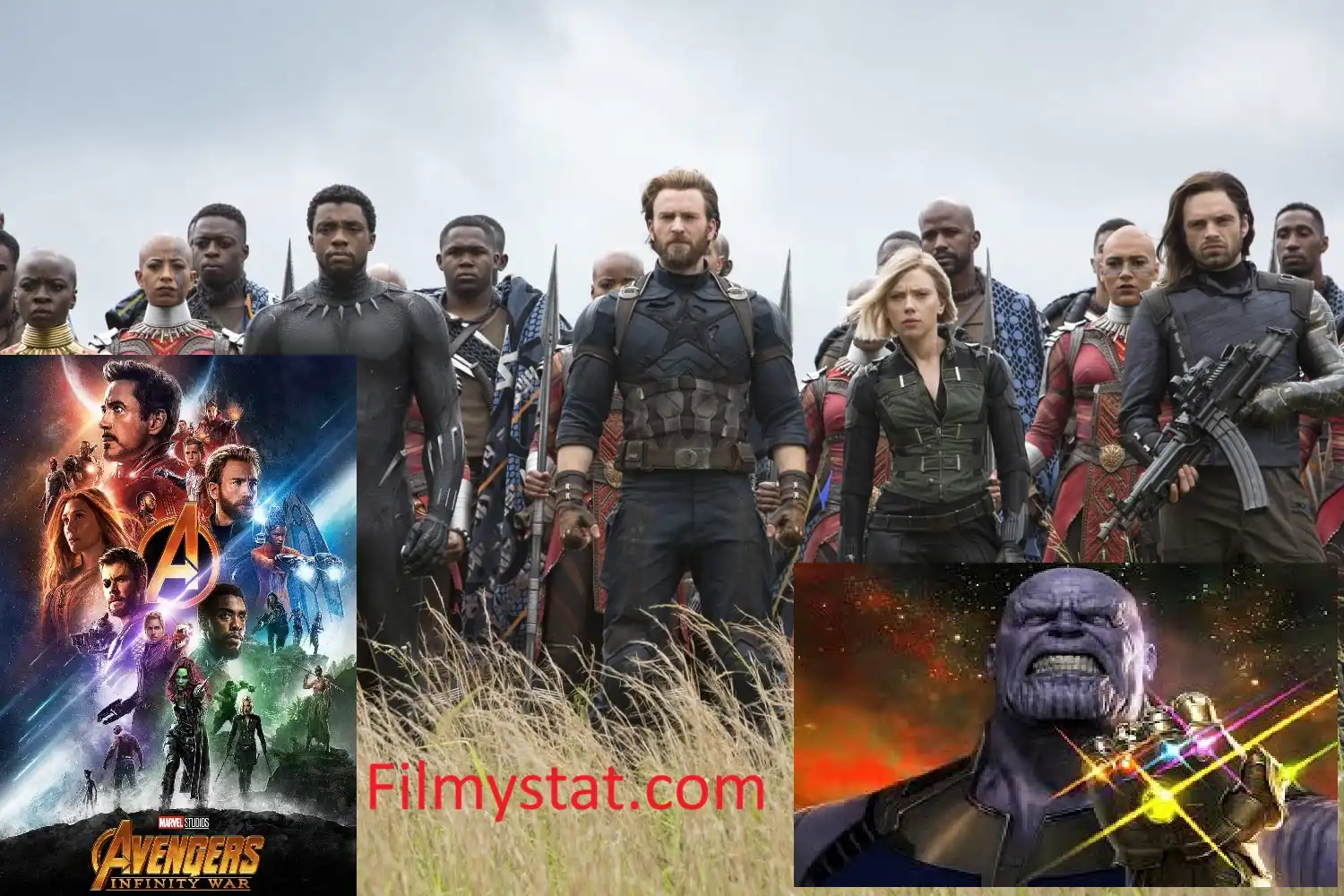
Avengers: Infinity War is not just a superhero movie. It is one of the most ambitious cinematic events ever created. For the first time in blockbuster history, a shared universe built across multiple franchises converged into a single, high-stakes narrative driven not by heroes, but by its villain.
Released in 2018, Infinity War changed how audiences viewed superhero storytelling. It removed safety nets, broke expectations, and proved that even the strongest heroes can fail.
This in-depth guide explores everything you need to know about Avengers: Infinity War, including its story, characters, themes, emotional weight, ending, and long-term impact on the Marvel Cinematic Universe.
Avengers: Infinity War
| Detail | Information |
|---|---|
| Release Year | 2018 |
| Genre | Superhero, Action, Sci-Fi |
| Directors | Anthony Russo, Joe Russo |
| Studio | Marvel Studios |
| MCU Phase | Phase Three |
| Runtime | 149 minutes |
| Language | English |
The Premise: A Universe on the Brink
Avengers: Infinity War begins immediately after previous MCU events, establishing urgency from its opening moments. The universe faces its greatest threat yet: Thanos, a cosmic warlord determined to collect all six Infinity Stones.
Unlike earlier villains who sought power, revenge, or domination, Thanos believes his mission is necessary. He wants balance — even if it costs half of all life in existence.
The Avengers, Guardians of the Galaxy, and allies from across the universe must unite to stop him. But this time, unity is not enough.
A Story Told Through Loss and Urgency
Unlike traditional superhero films that build slowly toward victory, Infinity War moves relentlessly forward. The film is structured like a countdown.
Every scene:
- Pushes the story forward
- Raises the stakes
- Removes a sense of safety
There are no quiet victories, no long celebrations. Every success feels temporary. Every delay costs lives.
This pacing makes the movie emotionally exhausting in the best way possible.
Thanos: The Center of the Story
What makes Infinity War unique is that Thanos is the main character.
Portrayed by Josh Brolin, Thanos is not presented as pure evil. He is calm, reflective, and tragically convinced he is right.
A Villain with a Philosophy
Thanos believes that unchecked population growth leads to suffering. His solution is brutal, but in his mind, merciful. He does not enjoy killing. He believes he must.
This belief makes him terrifying. He cannot be reasoned with because he already believes he is saving the universe.
Emotional Cost
Unlike previous MCU villains, Thanos pays a personal price. His relationship with Gamora shows that he understands love, loss, and sacrifice — which makes his actions even more disturbing.
Heroes Divided Across the Universe
Rather than forming one massive team, the heroes are split into groups, each dealing with different aspects of the threat.
Earth’s Defenders
Iron Man, Doctor Strange, Spider-Man, and others face Thanos directly. Their battle focuses on intelligence, strategy, and sacrifice.
Cosmic Heroes
Thor’s journey is about loss and vengeance. His arc is tragic, fueled by failure and rage rather than hope.
Wakanda and Ground War
Captain America, Black Panther, and their allies fight a physical war to protect Vision, who carries the Mind Stone.
These parallel storylines create tension because no group has enough strength alone.
Key Character Arcs
Iron Man
Tony Stark’s fear finally comes true. The invasion he predicted years ago arrives, and he is unprepared. His guilt, leadership, and desperation define his arc.
Captain America
Steve Rogers represents resistance. He fights not for strategy, but for principle — even when hope fades.
Thor
Thor loses almost everything. His story is fueled by grief and revenge, making him powerful but emotionally reckless.
Doctor Strange
Strange becomes the quiet strategist. He sees millions of possible futures and makes choices no one else understands.
Vision
Vision’s humanity becomes his weakness. His desire to protect others conflicts with the reality of his existence.
Themes That Define Infinity War
Inevitability
The film constantly suggests that events cannot be avoided — only delayed.
Sacrifice
Every character faces sacrifice, but Thanos embodies it fully. His willingness to give up what he loves reinforces the film’s moral complexity.
Failure
This is the first MCU film where the heroes lose — completely and undeniably.
Moral Ambiguity
The film forces audiences to confront uncomfortable questions:
- Is survival worth any cost?
- Does intention justify action?
- Can balance be forced?
Visual Scale and Action Design
Infinity War balances massive spectacle with emotional focus.
- Battles feel chaotic and overwhelming
- CGI supports character moments instead of overpowering them
- Locations span planets, cities, and dimensions
The action never feels empty. Every fight has consequences.
The Ending Explained
If you haven’t watched the movie, skip this section.
Thanos succeeds.
After collecting all six Infinity Stones, he snaps his fingers, erasing half of all life in the universe. Heroes turn to dust. Entire worlds are silenced.
There is no final battle victory. No triumphant music. Only shock and grief.
This ending shattered audience expectations. It removed the illusion that heroes always win. It made loss permanent — at least for now.
The final shot of Thanos watching a peaceful sunrise is chilling because it confirms his belief that he succeeded.
Why Infinity War Changed the MCU Forever
This film reshaped Marvel storytelling by:
- Making consequences real
- Elevating villains to complex characters
- Removing guaranteed happy endings
- Setting up emotional stakes for future films
Without Infinity War, Avengers: Endgame would not carry the same weight.
Box Office and Cultural Impact
- Worldwide Gross: Over $2 billion
- One of the highest-grossing films of all time
- Massive global audience engagement
Beyond numbers, the film dominated pop culture. Its ending sparked debates, theories, and emotional reactions across the world.
Critical and Audience Reception
Critics praised:
- Thanos’s characterization
- Story structure
- Emotional depth
Audiences were shocked, devastated, and deeply engaged. Few films create such strong emotional reactions on a global scale.
Frequently Asked Questions
Is Avengers: Infinity War essential viewing?
Yes. It is one of the most important MCU films.
Does Infinity War have a happy ending?
No. It ends with the heroes defeated.
Who is the real main character?
Thanos drives the story more than any hero.
Is Infinity War connected to Endgame?
Yes. Endgame is a direct continuation.
Why Infinity War Still Matters Today
Even years later, Infinity War remains powerful because:
- It took risks no superhero film had taken before
- It respected the audience’s intelligence
- It proved blockbuster films can be emotionally heavy
It stands as a benchmark for shared-universe storytelling.
Final Verdict
Avengers: Infinity War is not just a movie — it is a cinematic turning point. It challenged expectations, embraced tragedy, and elevated superhero films into something deeper and more meaningful.
Few films dare to end in failure. Fewer still make that failure unforgettable.
Related: >> Phase Three >> Chronological Order >> Hub Page
1 thought on “Avengers: Infinity War (2018) – Complete Movie Guide, Plot, Characters, Themes, Ending Explained & MCU Impact”