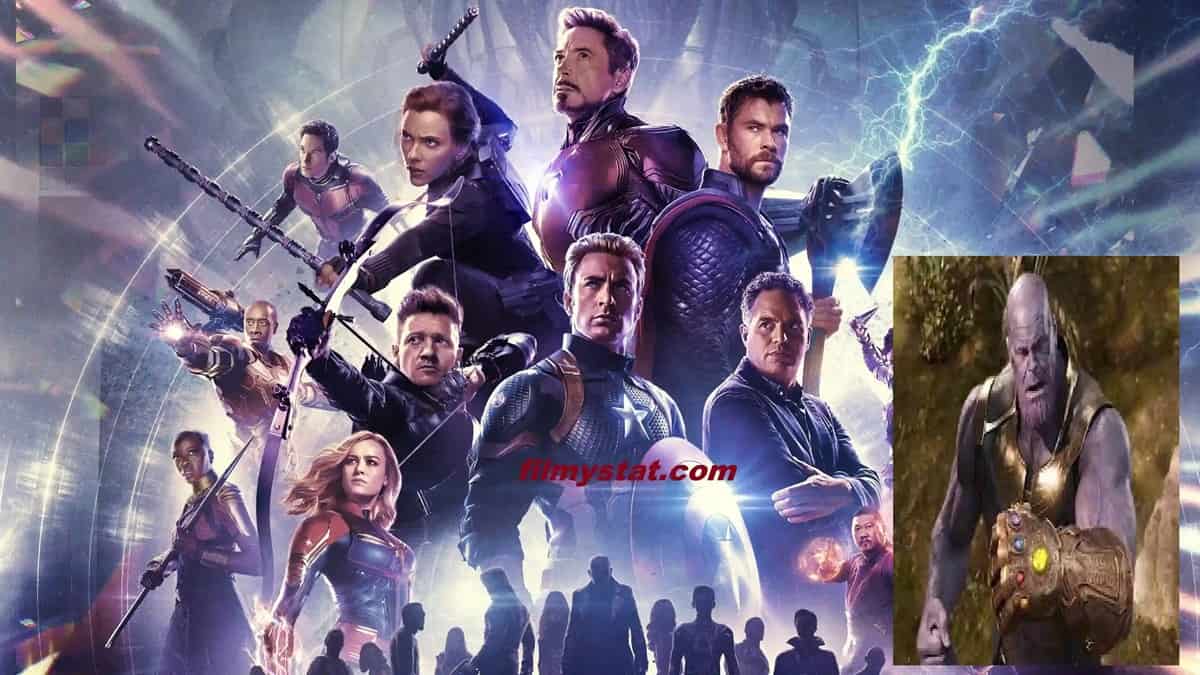
Avengers: Endgame is the emotional and narrative culmination of more than a decade of storytelling in the Marvel Cinematic Universe (MCU). Released in 2019, the film concludes the Infinity Saga, bringing together character arcs, unresolved conflicts, and long-running themes established across 22 interconnected films.
Rather than focusing solely on spectacle, Avengers: Endgame is fundamentally a story about loss, grief, sacrifice, and closure. It asks how heroes move forward after failure and whether redemption is possible when the cost of victory is irreversible.
This article follows a spoiler-free structure first, with a clearly separated spoiler section later.
Avengers: Endgame
| Detail | Information |
|---|---|
| Release Year | 2019 |
| Genre | Superhero, Action, Science Fiction |
| Directors | Anthony Russo, Joe Russo |
| Studio | Marvel Studios |
| MCU Phase | Phase Three |
| Runtime | Approx. 181 minutes |
Overview:
Avengers: Endgame serves as the definitive conclusion to the Infinity Saga, focusing on emotional resolution and long-term consequences rather than continuous action.
Story Overview
Set after the devastating events of Avengers: Infinity War, the world is left broken. Half of all life has vanished, and the surviving Avengers are forced to confront a reality shaped by failure.
The film opens in a somber tone, emphasizing:
- Grief and guilt
- Emotional exhaustion
- A loss of purpose
Rather than immediately jumping into action, Endgame takes time to explore how each character copes with trauma. The narrative moves deliberately, focusing on emotional weight before introducing hope.
The central question driving the story is not how to defeat a villain, but whether the damage done can truly be undone.
A Film About Consequences, Not Just Victory
One of Endgame’s most defining qualities is its willingness to slow down. Unlike traditional superhero finales, the film acknowledges that even heroes cannot escape consequences.
Failure has reshaped:
- Relationships
- Identities
- The meaning of heroism
This approach allows Endgame to feel earned rather than rushed, giving proper weight to the cost of past decisions.
Character Arcs and Emotional Resolution
Tony Stark
Tony’s arc reaches its emotional peak in Endgame. Once driven by fear and control, he now represents responsibility, legacy, and acceptance. His journey reflects the MCU’s central question: what does it truly mean to protect others?
Steve Rogers
Steve’s story focuses on closure and personal fulfillment. After years of sacrifice and self-denial, Endgame explores whether a hero is allowed to choose happiness.
Thor
Thor’s arc addresses grief and self-worth. Rather than portraying strength as physical dominance, the film emphasizes emotional vulnerability and healing.
Natasha Romanoff
Natasha embodies selflessness and redemption. Her leadership and commitment highlight the theme that heroism is often quiet and unrecognized.
Clint Barton
Clint represents the cost of loss on ordinary people. His journey illustrates how grief can distort morality and identity.
Themes That Define Avengers: Endgame
Grief and Acceptance
The film treats grief as a long-term process, not something resolved through action alone.
Sacrifice
Victory in Endgame comes at a cost, reinforcing that meaningful change requires personal loss.
Legacy
The film emphasizes what heroes leave behind, both in actions and in values passed to others.
Time and Memory
Time is portrayed not as a tool to erase pain, but as a way to understand and accept it.
Visual Storytelling and Tone
Endgame avoids constant action, instead using silence, stillness, and character moments to drive emotion. When action does occur, it feels purposeful rather than excessive.
The film balances:
- Intimate character scenes
- Large-scale spectacle
- Nostalgic callbacks
This balance reinforces the idea that Endgame is as much a reflection on the MCU’s past as it is a conclusion.
Avengers: Endgame and the MCU Timeline
Endgame permanently reshapes the MCU:
- Concludes the Infinity Saga
- Redefines leadership within the Avengers
- Sets the stage for future phases
- Transitions focus from founding heroes to new ones
The film does not simply end a storyline—it closes an era.
Spoiler Section: Ending Explained
The final act of Avengers: Endgame delivers resolution through sacrifice rather than triumph. Choices made by the heroes reflect growth, acceptance, and responsibility rather than revenge.
The ending emphasizes:
- Letting go of the past
- Honoring sacrifice
- Moving forward without forgetting
Rather than celebrating victory, the film closes with reflection, reinforcing its core message:
Heroism is defined by what you are willing to give up, not what you gain.
This ending provides emotional closure while leaving space for future stories.
Audience and Critical Reception
Avengers: Endgame received overwhelming global response:
- Audiences praised its emotional payoff
- Critics highlighted its narrative ambition
- The film became a defining cultural moment
Over time, it has been recognized not just as a blockbuster, but as a rare example of long-form cinematic storytelling successfully concluded.
Frequently Asked Questions
Is Avengers: Endgame essential to the MCU?
Yes. It concludes the Infinity Saga and resolves major character arcs.
Should it be watched after Infinity War?
Absolutely. Endgame is a direct continuation.
Is the movie family-friendly?
Yes, though it includes intense emotional themes.
Does Endgame focus more on action or emotion?
Emotion. Action supports character resolution.
Does it set up future MCU phases?
Yes, while clearly closing the previous era.
Final Verdict
Avengers: Endgame is not just a superhero film—it is a carefully structured farewell to an era of storytelling. By prioritizing emotional resolution over spectacle, it delivers a conclusion that feels meaningful, respectful, and earned.
As the final chapter of the Infinity Saga, Endgame stands as one of the most ambitious and emotionally resonant films in the Marvel Cinematic Universe.
Related: Phase Three >> Chronological Order >> Hub Page
1 thought on “Avengers: Endgame (2019) – Complete Movie Review, Story Breakdown, Themes, Ending Explained & MCU Legacy”