10 Visually Stunning Sci-Fi Films: For more than a century, science fiction has stood as one of cinema’s most imaginative and intellectually ambitious genres. From the earliest silent-era experiments to modern large-scale epics, sci-fi has consistently pushed the boundaries of what cinema can express. While the genre is often celebrated for its speculative ideas and technological concepts, its greatest achievements lie in how those ideas are translated into powerful visual language.
At its very best, science fiction becomes a canvas. Through meticulous composition, evocative lighting, carefully curated color palettes, and striking production design, certain films transcend storytelling and transform into works of moving art. These are films where the visuals do more than support the narrative — they are the narrative.
Spanning decades, continents, and cinematic styles, the following ten sci-fi films represent the genre at its most visually poetic. Each stands as a testament to cinema’s ability to blend imagination and artistry, creating worlds so carefully crafted that every single frame feels like a painting.
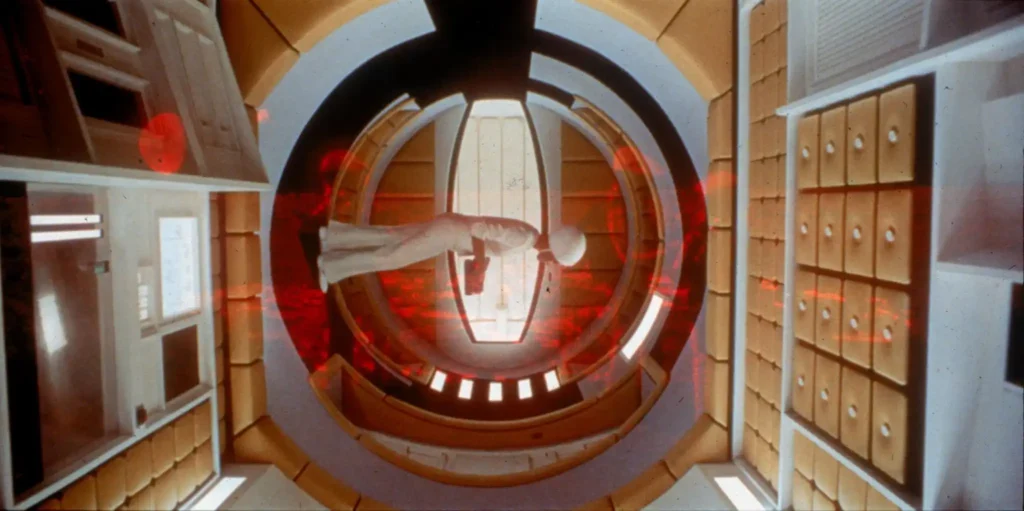
10. 2001: A Space Odyssey
Few films in the history of cinema have altered the visual language of science fiction as profoundly as 2001: A Space Odyssey. Stanley Kubrick’s landmark achievement is as much a visual symphony as it is a philosophical meditation on evolution, technology, and humanity’s future.
Kubrick relied heavily on practical effects, symmetrical framing, and deliberate pacing to create images of extraordinary clarity and scale. The sterile beauty of spacecraft interiors, the hypnotic rotation of space stations, and the vast silence of the cosmos combine to form a visual experience that feels timeless. The famous Stargate sequence, with its cascading colors and abstract imagery, remains one of cinema’s most daring visual experiments.
Even decades after its release, 2001 continues to influence filmmakers across genres. Its frames are not merely shots — they are meticulously constructed compositions that invite contemplation, reinforcing the film’s reputation as one of cinema’s most enduring visual masterpieces.
9. Eternal Sunshine of the Spotless Mind

Science fiction rarely intersects with romance as seamlessly as it does in Eternal Sunshine of the Spotless Mind. Rather than focusing on futuristic spectacle, the film uses its sci-fi premise to explore memory, heartbreak, and the fragile beauty of human connection.
Director Michel Gondry employs inventive visual techniques to mirror the instability of memory. Scenes dissolve mid-action, environments collapse without warning, and faces blur into abstraction as memories are erased. The film’s muted tones and gentle lighting give its imagery a soft, painterly quality, reinforcing the emotional vulnerability at its core.
What makes the film visually remarkable is its intimacy. Instead of grand visuals, it presents emotionally resonant imagery that feels deeply personal. Each frame resembles a fading photograph or a half-remembered dream, capturing the melancholy poetry of love lost and remembered.
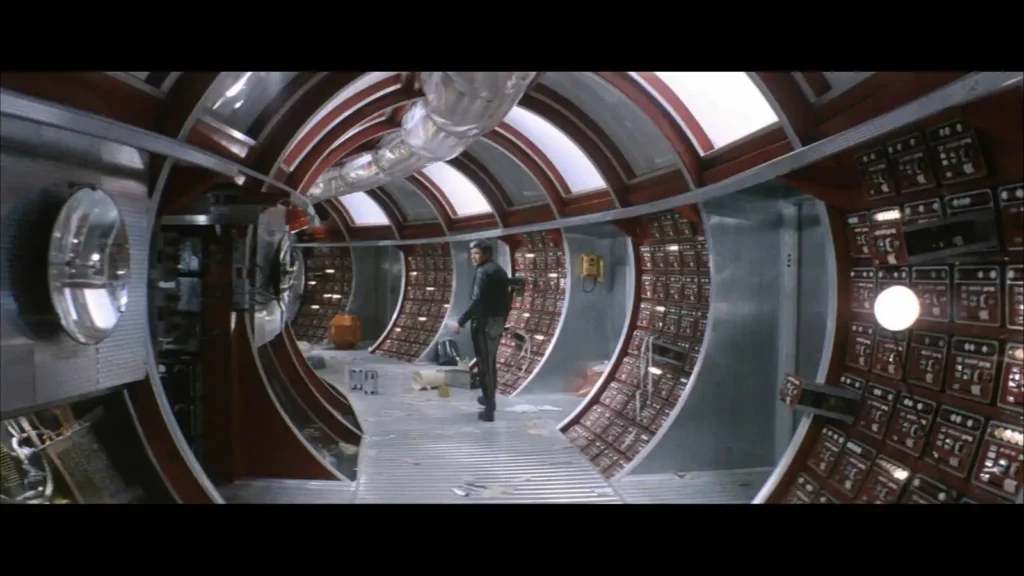
8. Solaris
Andrei Tarkovsky’s Solaris represents a radically different approach to science fiction — one rooted in introspection rather than spectacle. The film follows a psychologist sent to a space station orbiting a mysterious planet capable of manifesting human memories, forcing its visitors to confront their past.
Tarkovsky’s visual style is defined by patience and restraint. Long takes, natural lighting, and carefully composed frames create an atmosphere of quiet unease. Nature plays a crucial role in the film’s imagery, with rain, vegetation, and reflective surfaces symbolizing memory, longing, and the subconscious.
Inspired by classical European painting, Solaris unfolds like a moving gallery of philosophical imagery. Each shot is carefully layered with emotional and thematic meaning, making the film less about plot progression and more about visual contemplation.
7. Tron: Legacy
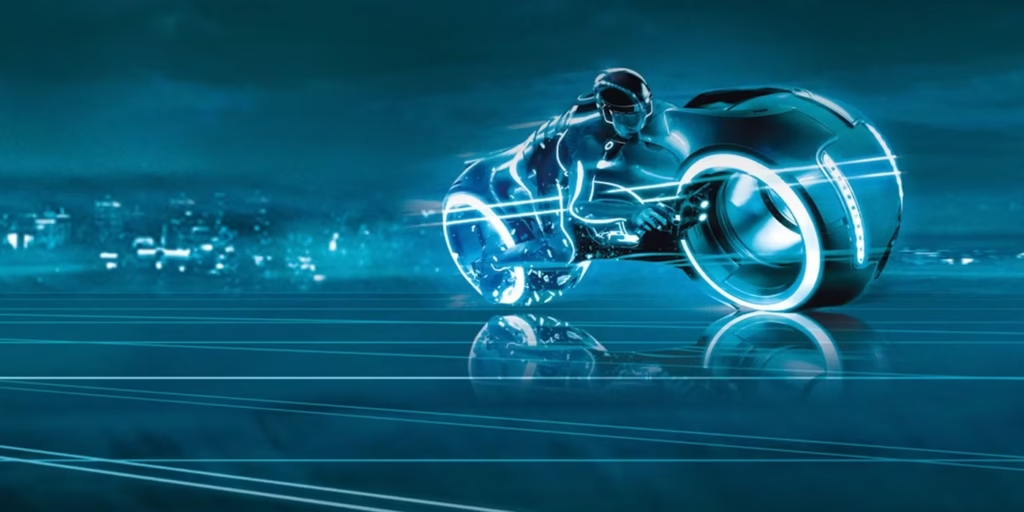
Though initially met with mixed reactions, Tron: Legacy has since been reassessed as one of the most visually distinctive sci-fi films of its era. Set within a digital universe known as the Grid, the film embraces a minimalist aesthetic defined by darkness, geometry, and neon illumination.
Director Joseph Kosinski’s emphasis on physical sets and restrained color usage gives the film a striking sense of cohesion. Thin lines of light cut through vast black spaces, creating images that resemble futuristic abstract art. The world feels both empty and imposing, reinforcing the film’s themes of isolation and control.
Rather than overwhelming the viewer with excess, Tron: Legacy finds power in simplicity. Its visuals remain instantly recognizable, securing its place as a cult favorite and a notable achievement in modern sci-fi design.
6. The Fountain
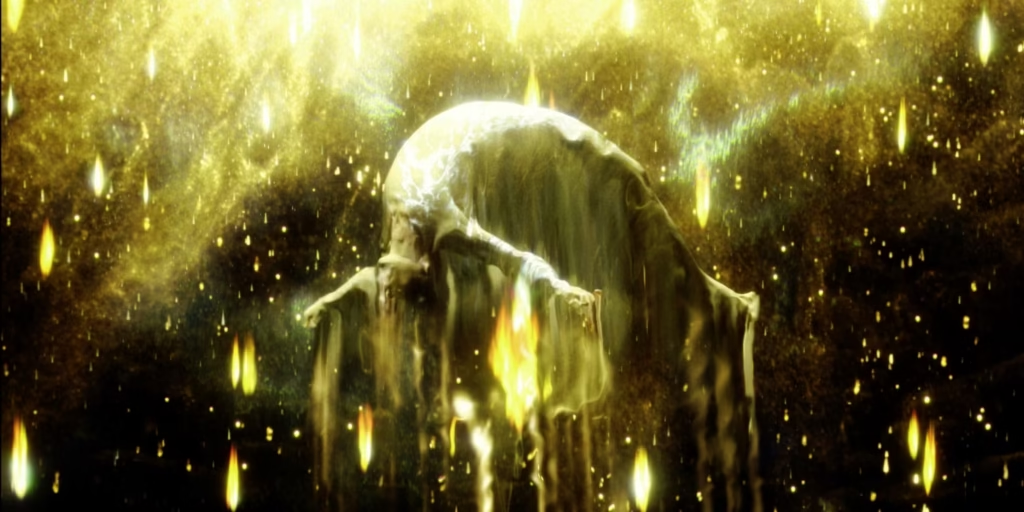
Darren Aronofsky’s The Fountain is a visually ambitious exploration of love, death, and transcendence. Told across three interconnected timelines, the film blends historical drama, contemporary tragedy, and cosmic science fiction into a single, emotionally driven narrative.
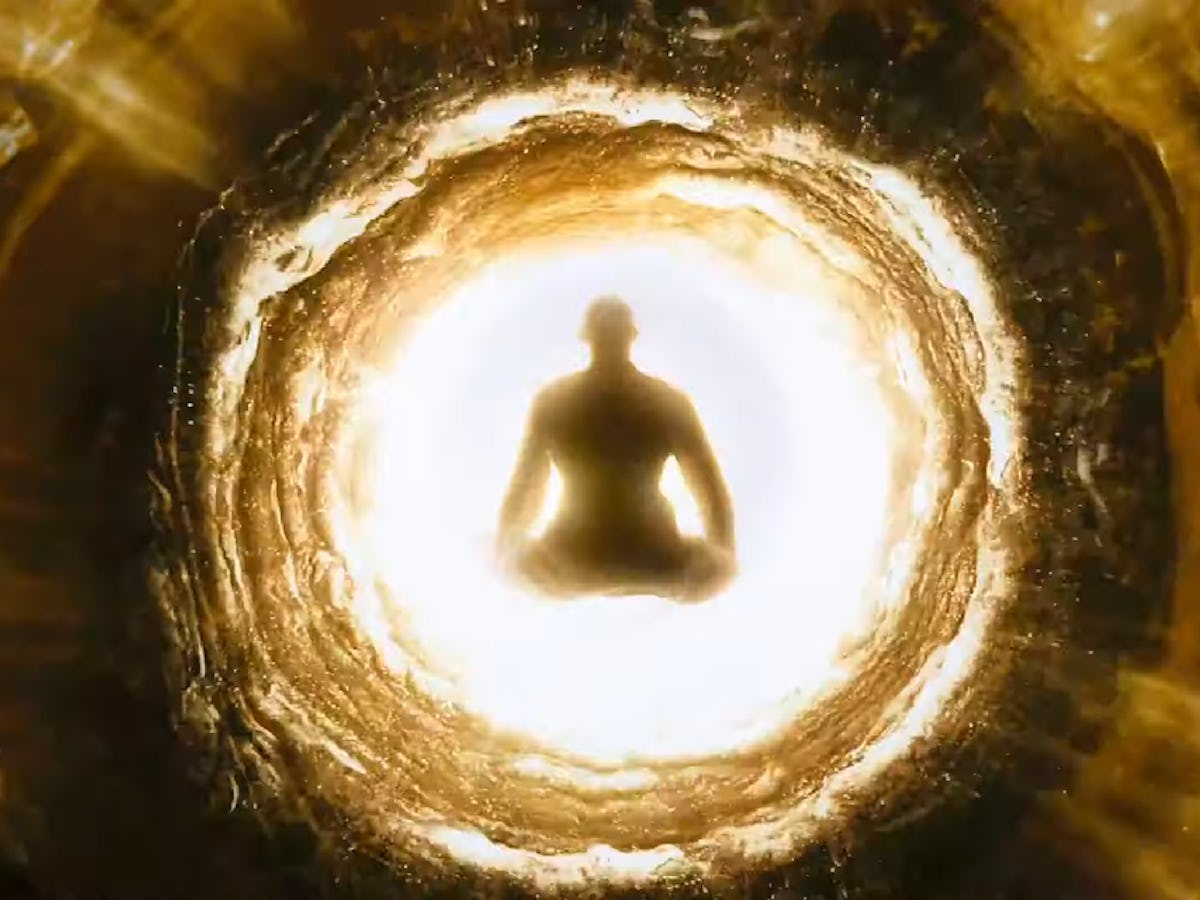
What truly sets The Fountain apart is its organic approach to visual effects. Rather than relying heavily on digital imagery, Aronofsky used macro photography of chemical reactions to create the film’s cosmic sequences. The result is a universe that feels tactile, alive, and deeply spiritual.
Bathed in golden hues and symbolic imagery, the film’s visuals resemble religious paintings and mythological art. Each frame carries emotional weight, reinforcing the film’s meditative tone and elevating it into a work of visual poetry.
5. Stalker
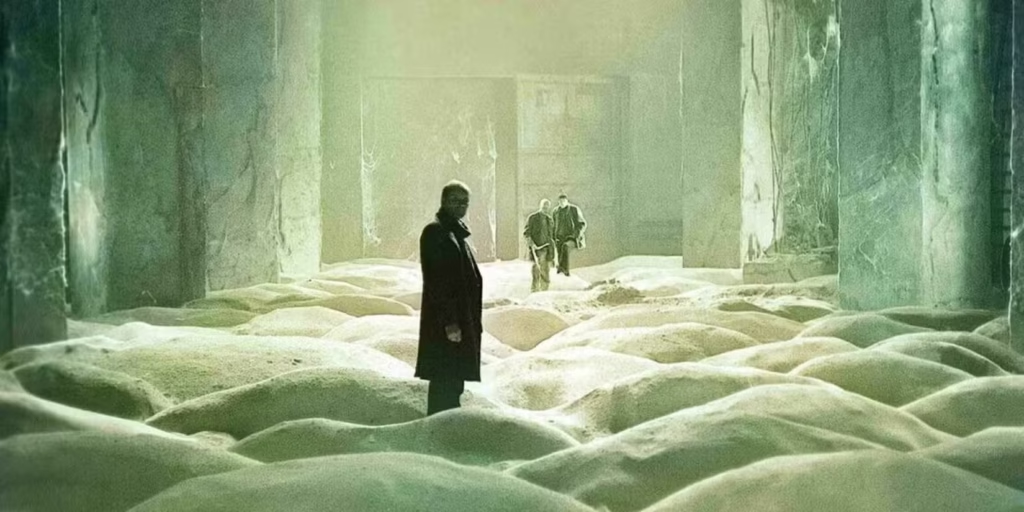
Another defining work from Andrei Tarkovsky, Stalker transforms industrial decay into something hauntingly beautiful. The film follows three men journeying through a forbidden Zone believed to grant one’s deepest desires.
The visual contrast between the bleak outside world and the lush, mysterious Zone gives the film its painterly power. Muted tones gradually give way to rich natural colors, symbolizing the transition from despair to introspection. Tarkovsky’s slow camera movements and deliberate framing allow the viewer to absorb every detail.
Stalker is less concerned with action and more with atmosphere. Its visuals linger long after the film ends, making it one of the most visually profound and emotionally complex works in sci-fi cinema.
4. Dune & Dune: Part Two
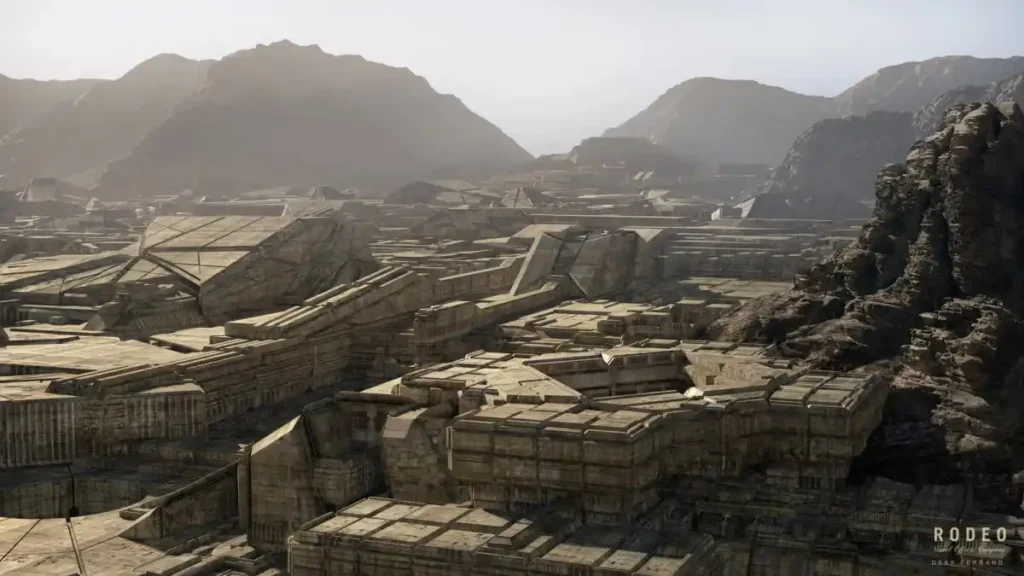
Denis Villeneuve’s adaptation of Dune represents modern science fiction at its most monumental. Across two films, Villeneuve constructs a vast, immersive universe defined by scale, texture, and atmosphere.
From the endless deserts of Arrakis to the unsettling industrial imagery of Geidi Prime, each environment is rendered with meticulous attention to detail. Cinematographer Greig Fraser’s use of natural light and restrained color palettes gives the films a grounded realism that enhances their mythic scope.
Every frame emphasizes humanity’s insignificance in the face of overwhelming forces, reinforcing the story’s themes of destiny and power. Together, Dune and Dune: Part Two stand as some of the most visually accomplished sci-fi films of the modern era.
3. 2046

Wong Kar-wai’s 2046 exists in a space between memory and imagination. Though loosely rooted in science fiction, the film is ultimately a meditation on love, loss, and emotional isolation.
Rich reds, deep shadows, and reflective surfaces dominate the film’s visual identity. Slow motion and careful framing heighten the sense of longing that permeates every scene. Each shot feels deliberate, emotionally charged, and meticulously composed.
Rather than relying on futuristic spectacle, 2046 uses visual rhythm and color to express inner states of mind. The result is a deeply atmospheric film where every frame feels like a carefully brushed expression of nostalgia and regret.
2. Akira
Akira remains one of the most visually ambitious animated films ever created. Hand-drawn with extraordinary precision, the film presents a dystopian Neo-Tokyo alive with color, motion, and detail.
The film’s fluid animation, layered backgrounds, and bold use of neon lighting create a world that feels both chaotic and meticulously controlled. Every frame brims with energy, reflecting the story’s themes of power, rebellion, and societal collapse.
More than three decades later, Akira continues to influence filmmakers and animators worldwide. Its visuals remain unmatched, securing its place as a cornerstone of both sci-fi cinema and animated artistry.

1. Blade Runner & Blade Runner 2049
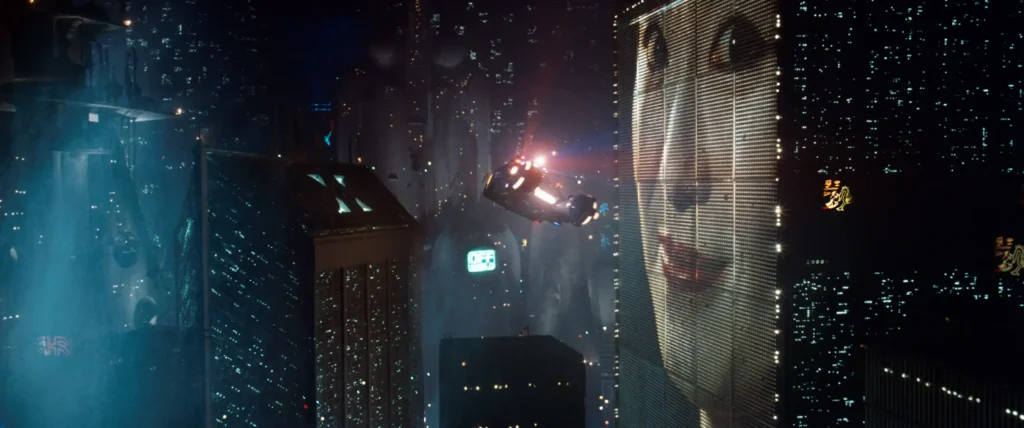
Ridley Scott’s Blade Runner redefined the visual identity of science fiction. Combining noir aesthetics with futuristic design, the film introduced rain-soaked cityscapes, towering skylines, and neon reflections that became synonymous with cyberpunk.
Denis Villeneuve’s Blade Runner 2049 expanded this world with modern precision. Roger Deakins’ cinematography introduced bold color contrasts, vast empty spaces, and naturalistic lighting that felt both intimate and epic.
Together, these films represent the pinnacle of sci-fi visual storytelling. Their images are not just memorable — they are iconic, standing as some of the most beautifully composed frames in cinematic history.
Final Thoughts
These films demonstrate that science fiction is more than a genre of ideas — it is a medium of visual expression. Through deliberate artistry and thematic depth, they transform cinema into something closer to fine art, where images linger long after the story ends.
For viewers who appreciate films that reward close attention and visual immersion, these sci-fi masterpieces remain essential viewing — timeless reminders that every frame can truly be a painting.
1 thought on “10 Visually Stunning Sci-Fi Films Where Every Frame Feels Like a Painting”