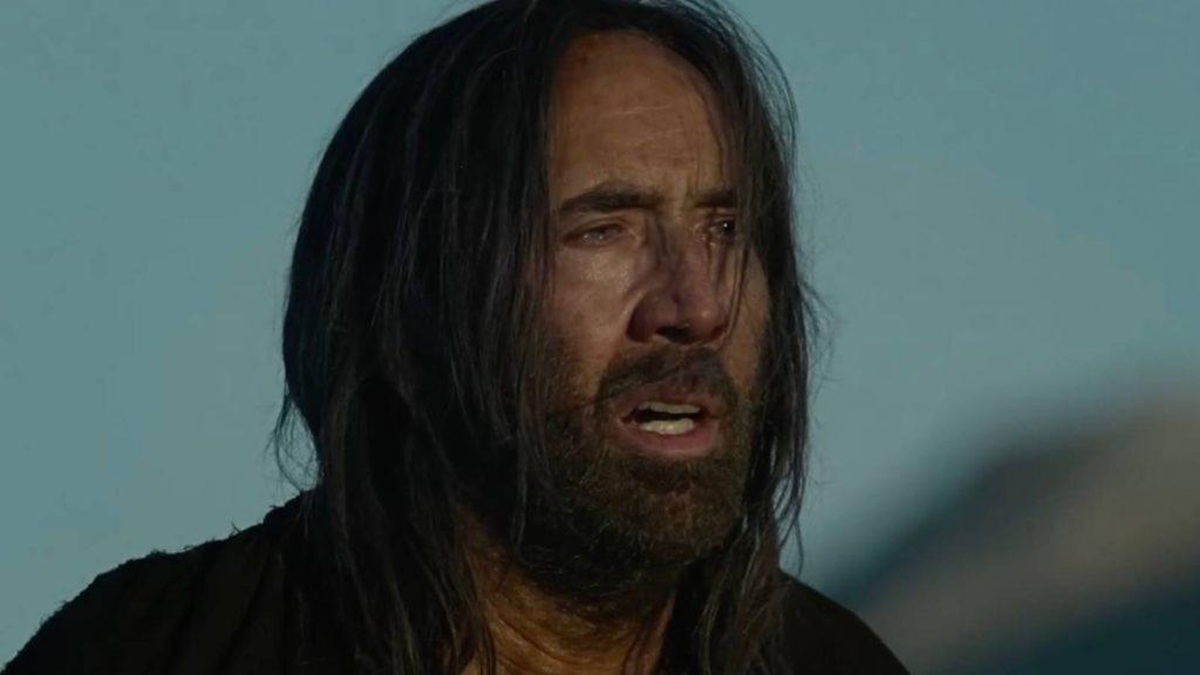
The 2025 film The Carpenter’s Son is not your typical religious drama. Instead, it takes a bold and unusual approach by blending biblical storytelling with supernatural horror elements, which honestly makes it both intriguing and controversial at the same time.
The Carpenter’s Son Movie Overview
| Category | Details |
|---|---|
| Director | Lotfy Nathan |
| Writer | Lotfy Nathan |
| Genre | Supernatural Thriller |
| Based On | Infancy Gospel of Thomas |
| Release Date | November 14, 2025 |
| Runtime | 94 minutes |
| Language | English |
| Countries | USA, France |
| Box Office | $141,291 |
Story Explained
The film focuses on the early life of Jesus, but not in the way most people expect. It explores a darker and more human side of his childhood, inspired by the Infancy Gospel of Thomas.
The story follows a young boy, believed to be Jesus, growing up under the care of his parents while dealing with mysterious and supernatural forces around him. As strange events begin to unfold, questions about identity, power, and morality start to arise.
The film suggests that even a divine figure might struggle with doubt and internal conflict, which is something that makes the narrative feel very different, but also a bit uncomfortable for some viewers.
Main Cast
The film features a strong and unique cast:
- Nicolas Cage as Joseph (The Carpenter)
- Noah Jupe as the young Jesus
- FKA Twigs as Mary
- Souheila Yacoub as Lilith
- Isla Johnston as a mysterious figure linked to Satan
Each actor brings a different tone to the film, and Nicolas Cage’s performance in particular feels intense and slightly unpredictable, which kind of fits the mood of the movie.
Production Details
The film was shot in Greece, using real locations like caves and desert landscapes to create an authentic and raw atmosphere.
Interestingly, during filming, Nicolas Cage reportedly faced a real-life incident involving a swarm of bees while shooting in a cave, which sounds chaotic but also adds to the film’s strange behind-the-scenes story.
The director, Lotfy Nathan, comes from a Coptic Christian background and intentionally chose to portray Jesus in a more human and vulnerable way. This creative decision plays a huge role in shaping the film’s tone.
Themes and Meaning
The Carpenter’s Son explores several deep and controversial themes:
- Faith vs doubt
- Humanity vs divinity
- Fear of the unknown
- Religious identity
The film tries to show a version of Jesus that is more relatable and flawed, but that idea doesn’t always land smoothly, and sometimes it feels confusing rather than meaningful.
Critical Reception
The film received mostly negative to mixed reviews from critics:
- Rotten Tomatoes: around 31% approval
- Metacritic: around 40/100
Many critics praised the concept and atmosphere but criticized:
- Weak storytelling
- Uneven tone
- Lack of clarity
Some reviewers even described it as messy and difficult to connect with, despite its interesting premise.
Controversy and Ban
One of the biggest talking points about the film is its controversy.
The movie was banned in the Philippines because authorities felt its portrayal of Jesus was disrespectful and offensive to Christian beliefs.
The depiction of a more rebellious and conflicted version of Jesus sparked strong reactions, which shows how sensitive the subject matter is.
What Works in the Movie
The film does a few things really well:
- Unique and bold concept
- Strong performances, especially Nicolas Cage
- Atmospheric visuals and locations
These elements help the movie stand out, even if everything doesn’t fully come together.
What Doesn’t Work
At the same time, there are clear issues:
- Story feels inconsistent
- Characters are not fully developed
- Tone shifts can feel confusing
Because of this, the movie might not appeal to a wide audience.
Final Verdict
The Carpenter’s Son is a risky and unconventional film that tries to do something very different with a familiar story. It offers an interesting idea, but the execution feels uneven and sometimes hard to follow.
If you enjoy experimental films or darker interpretations of religious themes, you might find it worth watching. But for general audiences, it may feel slow, confusing, and even controversial.
Overall, it’s a film that sparks discussion more than it delivers a satisfying cinematic experience.
1 thought on “The Carpenter’s Son (2025) Review – Nicolas Cage’s Dark Biblical Thriller Explained, Cast, Story and Honest Verdict”