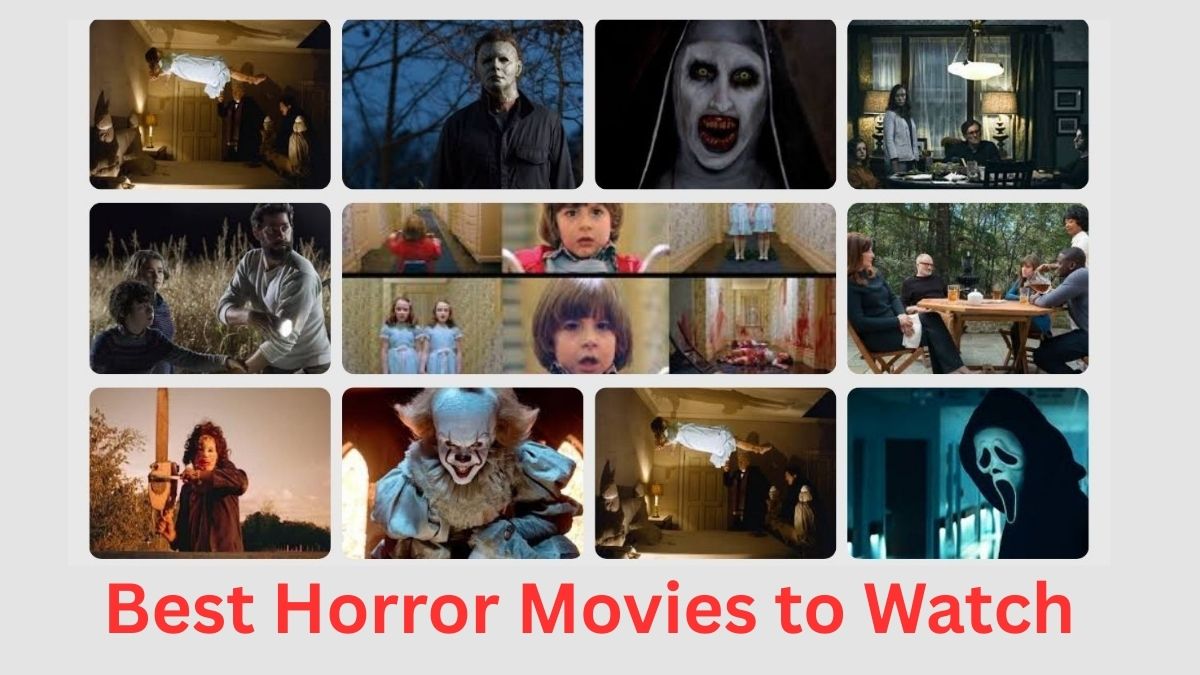
Best Horror Movies to Watch : Horror movies have a unique ability to trigger deep emotional reactions. Unlike other genres that entertain through spectacle or humor, horror taps into human fear, uncertainty, and psychological tension. Over the decades, filmmakers have created unforgettable horror experiences that shaped the genre and influenced generations of storytellers. Some films rely on supernatural terror, others on psychological dread, while a few blend both approaches. The following movies represent some of the most powerful and influential horror films ever made, each leaving a lasting mark on cinema.
The Exorcist (1973)
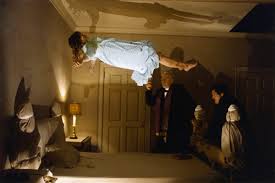
Few horror films have had the cultural impact of The Exorcist. Directed by William Friedkin and based on William Peter Blatty’s novel, the film tells the story of a young girl named Regan who becomes possessed by a demonic entity. Her desperate mother turns to two Catholic priests who attempt to perform an exorcism.
What made The Exorcist so terrifying was not just the supernatural elements but the realism of its storytelling. The film presents possession as a deeply disturbing psychological and spiritual battle rather than a simple horror spectacle. Its intense performances, especially by Linda Blair and Max von Sydow, combined with unsettling imagery and chilling sound design, created a cinematic experience that shocked audiences when it was released.
The Exorcist remains a landmark film in horror history and is often considered one of the greatest horror movies ever made.
The Shining (1980)
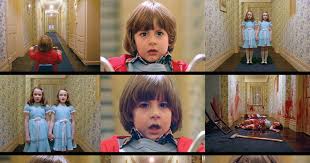
The Shining, directed by Stanley Kubrick and based on Stephen King’s novel, is widely regarded as one of the most influential psychological horror films ever created. The story follows Jack Torrance, a struggling writer who takes a job as the winter caretaker of the isolated Overlook Hotel. As winter traps his family inside the hotel, Jack slowly descends into madness.
Jack Nicholson’s unforgettable performance turned the character into one of the most iconic villains in horror cinema. Kubrick’s direction uses long tracking shots, eerie silence, and unsettling imagery to build tension throughout the film. Rather than relying on jump scares, The Shining creates a sense of unease that grows stronger with every scene.
The film’s mysterious symbolism and haunting atmosphere continue to spark discussion among film fans decades after its release.
Halloween (1978)
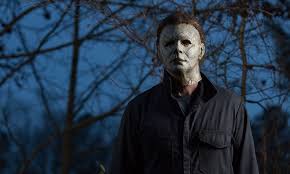
When Halloween was released, it helped define the slasher genre and introduced audiences to one of horror’s most famous villains: Michael Myers. Directed by John Carpenter, the film follows a masked killer who escapes from a psychiatric hospital and begins stalking teenagers in a quiet suburban town.
What makes Halloween so effective is its simplicity. Michael Myers rarely speaks, yet his silent presence creates an overwhelming sense of dread. Carpenter’s minimalist score, with its iconic piano theme, adds to the film’s tension and atmosphere.
Halloween proved that horror films did not need huge budgets or complex stories to frighten audiences. Its influence can be seen in countless slasher films that followed.
The Conjuring (2013)
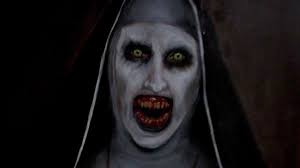
Modern horror experienced a resurgence with The Conjuring, directed by James Wan. The film is based on the real-life investigations of paranormal researchers Ed and Lorraine Warren, who are called to help a family experiencing terrifying supernatural events in their farmhouse.
The Conjuring stands out because it focuses heavily on atmosphere and suspense rather than relying on constant jump scares. The film slowly builds tension as the haunting becomes more intense and dangerous. Patrick Wilson and Vera Farmiga bring authenticity to the story through their performances as the Warrens.
The success of The Conjuring led to an entire cinematic universe of connected horror films, making it one of the most influential horror movies of the 21st century.
Hereditary (2018)
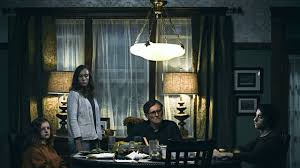
Hereditary is often described as one of the most disturbing horror films in recent years. Directed by Ari Aster, the movie explores grief, family trauma, and dark supernatural forces.
The story centers on the Graham family as they begin to experience terrifying events after the death of their secretive grandmother. What initially appears to be a story about grief slowly transforms into something far more sinister.
Toni Collette’s powerful performance gives the film emotional depth rarely seen in horror movies. Hereditary focuses on psychological tension and emotional devastation, creating a deeply unsettling atmosphere that lingers long after the film ends.
A Quiet Place (2018)
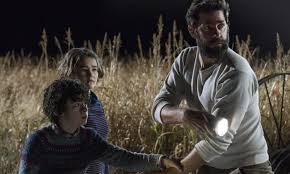
A Quiet Place introduced a unique concept to the horror genre. In a world where deadly creatures hunt by sound, a family must survive by living in near silence.
Directed by John Krasinski, the film uses minimal dialogue and emphasizes sound design to create tension. Even the smallest noise becomes a life-threatening risk. This creative approach transforms everyday actions into moments of suspense.
Beyond its horror elements, A Quiet Place is also a story about family, sacrifice, and survival. The emotional core of the film adds depth to the terrifying premise.
The Texas Chain Saw Massacre (1974)
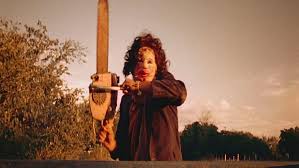
The Texas Chain Saw Massacre remains one of the most raw and disturbing horror films ever made. Directed by Tobe Hooper, the movie follows a group of young travelers who encounter a family of cannibalistic killers in rural Texas.
The film’s gritty cinematography and documentary-like style make the violence feel frighteningly real. Leatherface, the chainsaw-wielding antagonist, quickly became one of horror’s most infamous villains.
Despite its relatively low budget, The Texas Chain Saw Massacre created an atmosphere of relentless dread that continues to influence horror filmmakers today.
Get Out (2017)
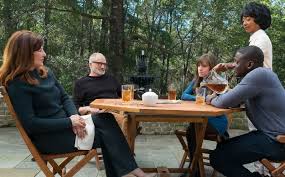
Get Out, directed by Jordan Peele, redefined modern horror by blending psychological suspense with sharp social commentary. The film follows Chris, a young Black man who visits his girlfriend’s family estate, only to discover something deeply disturbing beneath their polite exterior.
Get Out uses horror elements to explore themes of race, identity, and hidden prejudice. The film balances suspense, dark humor, and shocking revelations in a way that keeps viewers constantly on edge.
Its critical and commercial success proved that horror can be both entertaining and socially meaningful.
It (2017)
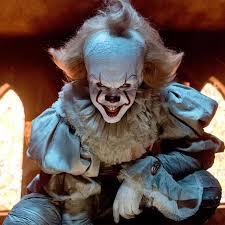
Based on Stephen King’s famous novel, It brought the terrifying clown Pennywise back to the big screen. The story follows a group of children in the town of Derry as they confront an ancient evil that feeds on fear.
What makes It effective is its combination of childhood friendship and supernatural terror. The young cast delivers strong performances that make the story emotionally engaging as well as frightening.
Bill Skarsgård’s portrayal of Pennywise adds a new layer of menace to the character, making him one of the most memorable horror villains of modern cinema.
Scream (1996)
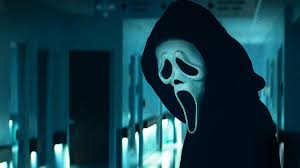
Scream changed the horror genre by introducing self-awareness and humor into a slasher story. Directed by Wes Craven, the film follows a masked killer known as Ghostface who targets teenagers in the town of Woodsboro.
Scream cleverly references horror movie clichés while still delivering genuine suspense and shocking twists. The film revitalized the slasher genre during a time when it had begun to lose popularity.
Its influence can be seen in many modern horror films that combine suspense with meta storytelling.
Final Thoughts
The horror genre continues to evolve, constantly finding new ways to frighten audiences while exploring deeper themes about fear, society, and human psychology. From the supernatural terror of The Exorcist to the psychological dread of The Shining and the social commentary of Get Out, each of these films represents a different approach to horror storytelling.
Whether you enjoy classic slasher films, supernatural hauntings, or slow-burning psychological thrillers, these movies demonstrate why horror remains one of cinema’s most enduring and powerful genres.