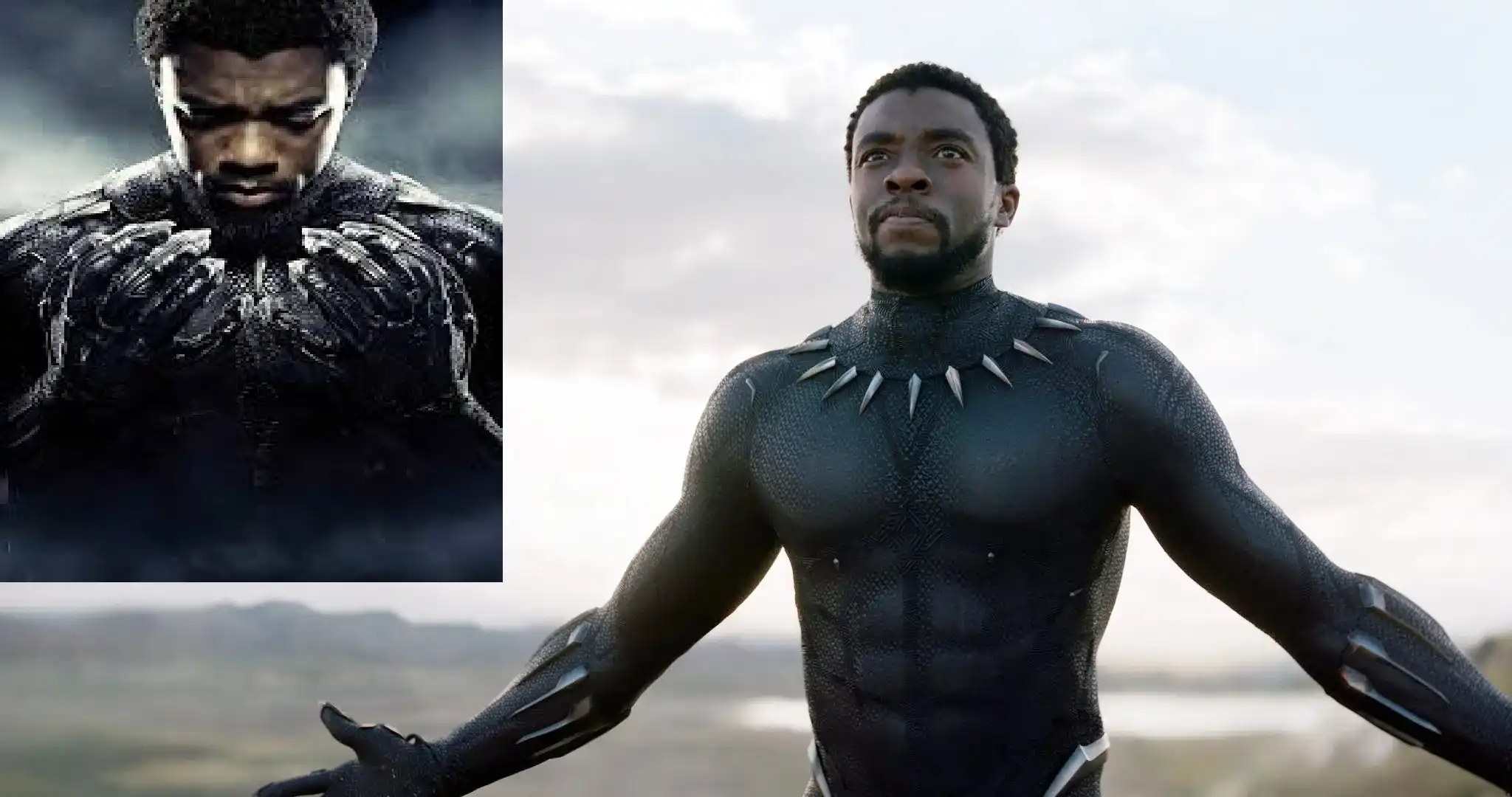
Black Panther is one of the most culturally significant films in the Marvel Cinematic Universe (MCU). Released in 2018, the movie goes beyond the traditional superhero formula to explore identity, leadership, responsibility, and the global consequences of isolation.
Rather than focusing only on action or spectacle, Black Panther presents a deeply political and emotional story set within the fictional African nation of Wakanda. The film challenges its audience to think about power, heritage, and moral responsibility in a way few superhero films attempt.
This article follows a spoiler-free structure first, with a clearly separated spoiler section later.
Black Panther
| Detail | Information |
|---|---|
| Release Year | 2018 |
| Genre | Superhero, Action, Adventure |
| Director | Ryan Coogler |
| Studio | Marvel Studios |
| MCU Phase | Phase Three |
| Runtime | Approx. 134 minutes |
Overview:
Black Panther blends superhero storytelling with political commentary, examining how tradition and progress collide in a rapidly changing world.
Story Overview
After the death of Wakanda’s king, T’Challa returns home to assume the throne. Wakanda is a nation that has secretly advanced beyond the rest of the world while presenting itself as underdeveloped. This secrecy has protected the country for generations but has also isolated it from global responsibility.
As T’Challa steps into leadership, he faces challenges that question:
- Wakanda’s role in world affairs
- The moral cost of isolation
- Whether tradition should remain unchanged
Unlike many MCU films, the central conflict in Black Panther is not caused by an external invasion, but by internal ideology and historical consequences.
T’Challa as a Leader, Not Just a Hero
T’Challa’s journey is defined by leadership rather than raw power. He begins the film as a noble and disciplined warrior, but leadership forces him to confront uncomfortable truths about his nation’s past.
Key aspects of his arc include:
- Learning from mistakes made by previous generations
- Understanding the limits of inherited tradition
- Accepting that leadership requires adaptation
The film portrays heroism not as dominance, but as moral growth and accountability.
Wakanda: World-Building with Purpose
Wakanda is one of the most detailed and meaningful fictional locations in the MCU. Its advanced technology, cultural traditions, and political structure are deeply interconnected.
Wakanda represents:
- What Africa could have become without colonization
- The tension between tradition and innovation
- The responsibility that comes with power
The setting is not merely visual—it directly drives the film’s themes and conflicts.
Supporting Characters and Their Roles
Shuri
Shuri represents innovation and progress. Her intelligence and humor challenge traditional ideas of authority, proving that leadership can come from intellect as much as strength.
Nakia
Nakia serves as the film’s moral compass. Her global perspective pushes T’Challa to reconsider Wakanda’s isolationist policies.
Okoye
Okoye embodies loyalty and duty. Her struggle lies in balancing allegiance to the throne with personal morality.
Ramonda
Queen Ramonda provides emotional stability and wisdom, grounding the film in family and legacy.
A Villain Driven by History and Ideology
One of Black Panther’s greatest strengths is its antagonist, whose motivations are rooted in historical injustice rather than personal greed.
The villain challenges Wakanda’s philosophy by asking:
- Should power be shared with the oppressed?
- Is isolation a form of complicity?
This ideological conflict elevates the film, making it less about defeating an enemy and more about confronting uncomfortable truths.
Themes That Define Black Panther
Tradition vs Progress
The film examines when tradition should be preserved and when it must evolve.
Responsibility of Power
Possessing advanced technology brings ethical responsibility, not entitlement.
Identity and Heritage
Characters grapple with who they are in relation to where they come from.
Global Accountability
The story questions whether neutrality is morally acceptable in a world full of injustice.
Visual Style and Cultural Representation
Black Panther stands out visually through its use of color, costume design, and architecture inspired by African cultures. The film avoids stereotypes and instead celebrates diversity and authenticity.
Visual storytelling enhances character identity and reinforces thematic depth rather than serving spectacle alone.
Black Panther’s Role in the MCU
Within the broader MCU, Black Panther serves multiple purposes:
- Expands the political and cultural scope of the universe
- Introduces Wakanda as a global power
- Deepens the moral complexity of Phase Three
The film’s impact extends well beyond its runtime, influencing future MCU events.
Spoiler Section: Ending Explained
The conclusion of Black Panther marks a fundamental shift in Wakanda’s worldview. Rather than maintaining secrecy, T’Challa chooses engagement and responsibility.
This decision symbolizes growth—not just for T’Challa, but for Wakanda itself. The ending reinforces the film’s core message:
True strength lies in using power to uplift, not isolate.
The resolution is thoughtful rather than triumphant, aligning perfectly with the film’s themes.
Audience and Critical Reception
Black Panther received widespread acclaim upon release.
- Audiences praised its representation and depth
- Critics highlighted its storytelling and thematic ambition
- The film achieved both cultural and commercial success
Over time, it has been recognized as one of the MCU’s most important films.
Frequently Asked Questions
Is Black Panther essential to the MCU?
Yes. It introduces Wakanda and significantly impacts Phase Three.
Is the movie family-friendly?
Yes, though it addresses serious themes responsibly.
Should it be watched before Avengers: Infinity War?
Yes. It provides crucial context.
What makes Black Panther different from other MCU films?
Its focus on politics, culture, and moral responsibility.
Is Wakanda important later in the MCU?
Yes. Wakanda becomes central to future storylines.
Final Verdict
Black Panther is a landmark superhero film that blends entertainment with meaningful commentary. It challenges traditional narratives by focusing on leadership, accountability, and global responsibility.
Rather than offering simple answers, the film asks difficult questions—making it one of the most impactful entries in the Marvel Cinematic Universe.
Related: Phase Three >> Chronological Order >> Hub Page
1 thought on “Black Panther (2018) – Complete Movie Review, Story Breakdown, Themes, Ending Explained & MCU Importance”