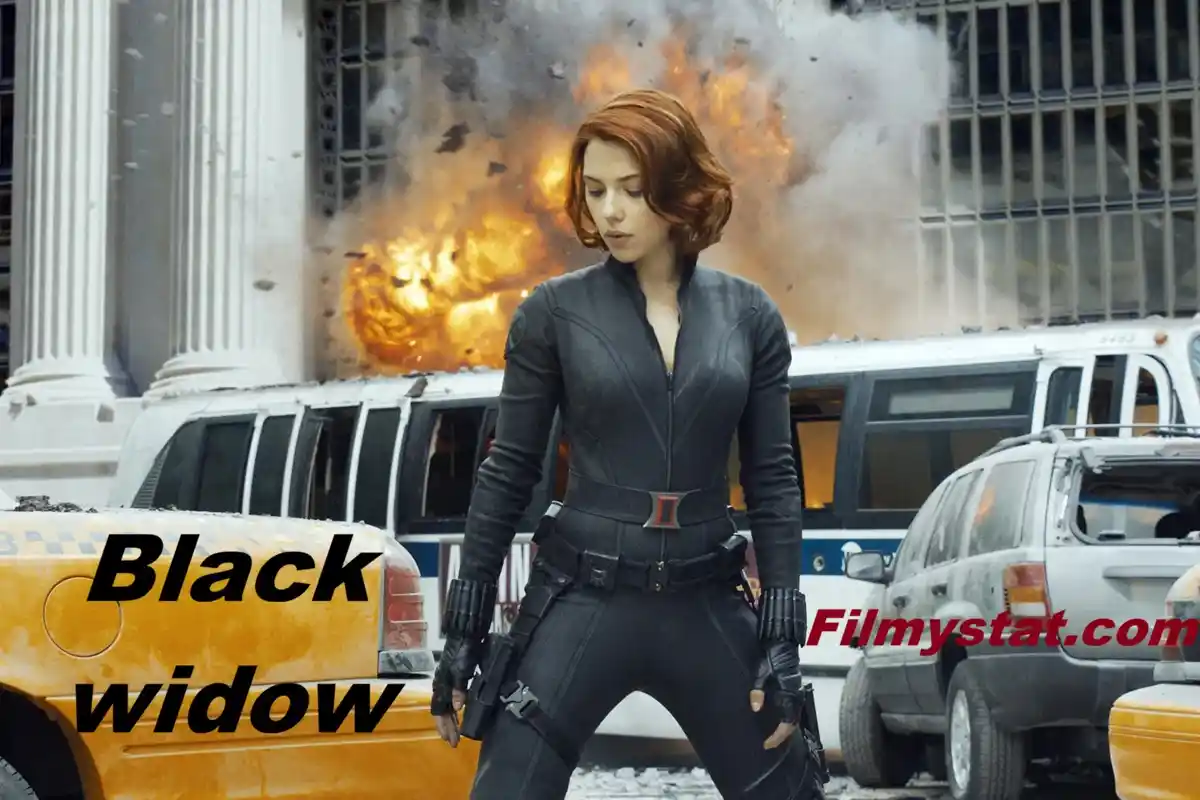
Black Widow finally gives Natasha Romanoff the standalone story she deserved. Released in 2021, the film explores the past of one of the Marvel Cinematic Universe’s most grounded and human heroes. Rather than focusing on cosmic threats or world-ending stakes, Black Widow is a personal, character-driven story about trauma, identity, and reclaiming agency.
Set after the events of Captain America: Civil War, the film fills an important narrative gap in the MCU timeline. It examines who Natasha is when she is no longer an Avenger, no longer following orders, and forced to confront the shadows of her past.
This article follows a spoiler-free structure first, with a clearly separated spoiler section later.
Black Widow
| Detail | Information |
|---|---|
| Release Year | 2021 |
| Genre | Superhero, Action, Spy Thriller |
| Director | Cate Shortland |
| Studio | Marvel Studios |
| MCU Phase | Phase Four |
| Runtime | Approx. 134 minutes |
Overview:
Black Widow blends superhero action with spy-thriller elements, focusing on emotional resolution, family, and the cost of systemic manipulation.
Story Overview
After defying the Sokovia Accords, Natasha Romanoff finds herself on the run. Cut off from the Avengers and operating alone, she is forced to return to parts of her life she believed were long buried.
The story draws Natasha back into a covert world tied to her origins, where unresolved relationships and painful memories resurface. Unlike many MCU films, Black Widow is not driven by destiny or prophecy. It is driven by choice, accountability, and the need to confront personal history.
The narrative prioritizes emotional stakes over spectacle, allowing the audience to understand Natasha not just as a skilled operative, but as a survivor shaped by years of manipulation and loss.
Natasha Romanoff: A Hero Defined by Survival
Natasha Romanoff has always been one of the MCU’s most complex characters. In Black Widow, she is finally allowed to step out of the supporting role and take control of her own narrative.
Natasha’s defining traits include:
- Emotional restraint
- Moral clarity shaped by guilt
- A strong sense of responsibility toward others
Rather than seeking redemption through grand gestures, Natasha’s journey focuses on repairing damage, protecting others from the same fate she endured, and redefining what family means to her.
The Red Room and Loss of Agency
One of the film’s most disturbing and important elements is its portrayal of the Red Room. It is presented not as a simple villain organization, but as a system built on exploitation, control, and dehumanization.
The Red Room represents:
- Institutional abuse
- Loss of bodily and mental autonomy
- Erasure of identity
By framing the conflict this way, Black Widow becomes a story about dismantling systems of control rather than defeating a single enemy.
Found Family and Emotional Healing
At its core, Black Widow is about family—not the idealized version, but one formed under unnatural circumstances and later fractured by trauma.
The film explores:
- Reconnection after separation
- Shared guilt and unspoken pain
- Healing through honesty rather than denial
These relationships ground the story emotionally, making the stakes feel personal and real.
Supporting Characters and Their Significance
Yelena Belova
Yelena provides emotional contrast to Natasha. Where Natasha is reserved, Yelena is expressive and direct. Her presence challenges Natasha’s emotional walls and highlights different responses to shared trauma.
Melina
Melina represents complicity and regret. Her character explores how survival within a corrupt system can blur moral responsibility.
Alexei
Alexei embodies denial and nostalgia. His arc reflects the danger of glorifying the past instead of acknowledging its harm.
Together, these characters reinforce the film’s central theme: healing requires truth, not avoidance.
Themes That Define Black Widow
Autonomy and Control
The film emphasizes that true freedom comes from reclaiming choice and identity.
Trauma and Recovery
Rather than presenting trauma as something to overcome quickly, Black Widow treats healing as gradual and imperfect.
Moral Accountability
Characters are forced to confront their past decisions and accept responsibility for the harm caused.
Family Beyond Biology
The film redefines family as connection forged through shared experience and mutual care.
Tone and Genre: A Spy Thriller Within the MCU
Unlike many MCU entries, Black Widow leans heavily into the spy-thriller genre. The action is grounded, tactical, and often brutal, reinforcing the film’s serious tone.
Humor is present but restrained, used to relieve tension without undermining emotional weight. This tonal balance allows the story to feel mature and focused.
Black Widow’s Role in the MCU Timeline
Although released in Phase Four, Black Widow is narratively tied to Phase Three.
The film:
- Deepens Natasha Romanoff’s arc
- Provides emotional context for later events
- Introduces characters crucial to the MCU’s future
Rather than moving the main plot forward, it adds emotional depth to the MCU’s past, strengthening the overall narrative.
Spoiler Section: Ending Explained
The final act of Black Widow resolves the film’s central conflict by dismantling the system responsible for years of exploitation.
Rather than focusing on revenge, the ending emphasizes:
- Liberation
- Accountability
- Protection of future victims
Natasha’s final choice reflects her growth as a character. She acts not out of guilt, but out of responsibility and compassion.
The ending reinforces the film’s core message:
True heroism lies in freeing others, not in personal redemption alone.
Audience and Critical Reception
Upon release, Black Widow received a mixed but thoughtful response.
- Audiences praised its character focus and performances
- Critics highlighted its thematic ambition
- Many recognized it as an overdue but meaningful addition to the MCU
Over time, the film has gained appreciation for its grounded storytelling and emotional honesty.
Frequently Asked Questions
Is Black Widow essential to the MCU?
Yes. It completes Natasha Romanoff’s story and introduces key future characters.
Where does Black Widow fit in the timeline?
It takes place after Captain America: Civil War.
Is the movie family-friendly?
It contains intense themes but avoids graphic content.
Why was the movie released after Endgame?
It serves as a character epilogue rather than a plot continuation.
Is Black Widow more emotional than action-focused?
Yes. The film prioritizes character and theme over spectacle.
Final Verdict
Black Widow is a grounded, emotionally driven superhero film that prioritizes character over scale. By focusing on trauma, agency, and healing, it offers a mature and necessary perspective within the MCU.
Rather than redefining Natasha Romanoff through power, the film defines her through choice, responsibility, and compassion, making it a meaningful chapter in the Marvel Cinematic Universe.
Related: >> Phase Four >> Chronological Order >> Hub page