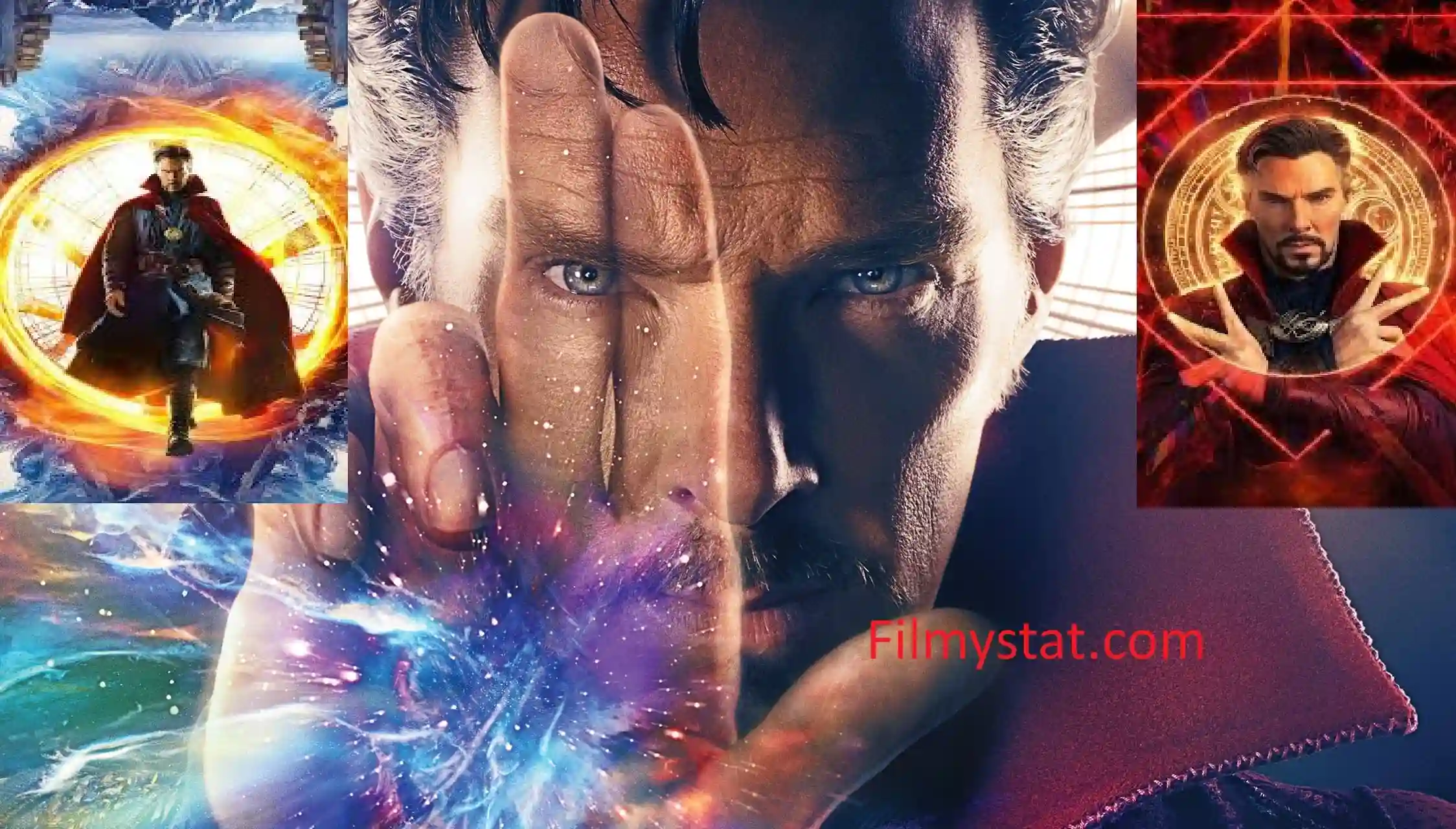
Doctor Strange marked a turning point for the Marvel Cinematic Universe. Until its release, the MCU revolved mainly around science, technology, super-soldiers, and extraterrestrial threats. Doctor Strange introduced something entirely new: magic, mysticism, alternate dimensions, and the manipulation of time itself.
This film didn’t just introduce a new superhero. It rewired the rules of the MCU, paving the way for multiverse storytelling, cosmic threats, and philosophical questions about power and responsibility.
This in-depth guide explores every major aspect of Doctor Strange, from story and characters to themes, symbolism, visuals, and its long-term MCU importance.
Doctor Strange
| Detail | Information |
|---|---|
| Release Year | 2016 |
| Genre | Superhero, Fantasy, Action |
| Director | Scott Derrickson |
| Studio | Marvel Studios |
| MCU Phase | Phase Three |
| Runtime | 115 minutes |
| Language | English |
Story Overview
Stephen Strange is a highly skilled neurosurgeon at the peak of his career. He is wealthy, respected, and obsessed with control. His hands perform life-saving surgeries with unmatched precision, and his identity is completely tied to his profession.
Everything changes after a devastating car accident damages his hands beyond repair. Multiple surgeries fail. His career collapses. The man who once controlled life now cannot control his own.
Driven by desperation rather than belief, Strange searches for alternative healing methods. His journey leads him to Kamar-Taj, a hidden sanctuary where mystic arts are practiced. There, he discovers that reality is far larger and more dangerous than science ever explained.
What begins as a selfish quest for healing transforms into a responsibility to protect Earth from mystical threats that exist beyond time and space.
Stephen Strange – One of MCU’s Best Character Arcs
Stephen Strange is not introduced as a hero. He is:
- Arrogant
- Self-absorbed
- Emotionally distant
- Obsessed with superiority
Unlike many MCU protagonists, Strange doesn’t start as morally good. His transformation feels earned, not accidental.
From Control to Acceptance
Strange’s greatest weakness is his need for control. He cannot accept failure, weakness, or uncertainty. Magic forces him to surrender control and accept that knowledge has limits.
Learning Through Failure
He struggles more than most MCU heroes during training. He fails repeatedly, learns painfully, and grows slowly. His intelligence helps, but discipline and humility are what truly transform him.
The Birth of a Different Hero
By the end of the film, Strange is no longer motivated by personal gain. He is willing to suffer endlessly if it means protecting reality. This makes him fundamentally different from heroes who rely on physical dominance.
Key Characters and Their Roles
The Ancient One
The Ancient One is Strange’s mentor and one of the most complex MCU characters.
- She protects Earth from mystical threats
- She bends moral rules for survival
- She uses forbidden power while warning against its misuse
Her character introduces moral ambiguity. She isn’t purely good or evil — she is pragmatic, experienced, and burdened by responsibility.
Wong
Wong is the protector of ancient knowledge. Calm, disciplined, and loyal, he represents tradition and balance. He grounds Strange and reinforces the seriousness of mystical responsibility.
Kaecilius
Kaecilius is not driven by greed or conquest. He seeks freedom from time and death. His ideology challenges Strange’s belief system and forces viewers to question whether eternal existence is a gift or a curse.
Magic in the MCU – Rules and Structure
One of the film’s strengths is how it treats magic.
Magic in Doctor Strange:
- Has rules
- Requires training
- Has consequences
- Demands sacrifice
It is not random or convenient. Spells require discipline, artifacts require protection, and misuse leads to catastrophic outcomes.
This structured approach allows magic to integrate seamlessly into the MCU without breaking continuity.
Major Themes Explored
Ego vs Enlightenment
Strange’s journey is about letting go of ego. The more he clings to pride, the more he suffers. True power comes only after surrendering ego.
Time as a Weapon
Time is not just a background concept. It becomes a strategic tool, a curse, and a responsibility. Manipulating time can save lives, but it destabilizes reality.
Knowledge Is Power
Unlike heroes who punch harder or fly faster, Strange wins through understanding, patience, and sacrifice.
Pain as Growth
Physical and emotional pain are essential to Strange’s evolution. The film embraces suffering as a teacher rather than an obstacle.
Visual Storytelling and Cinematic Innovation
Doctor Strange changed how superhero films look.
Mirror Dimension
Reality folding, buildings bending, cities collapsing inward — these visuals reflect Strange’s internal chaos and learning curve.
Astral Projection
The concept of separating consciousness from the body adds philosophical depth to the idea of existence.
Time Loops
Used not as spectacle, but as a narrative weapon. Time becomes Strange’s shield, not his sword.
These visuals aren’t decorative. They serve the story and themes.
Music and Sound Design
The soundtrack avoids heroic bombast. Instead, it feels mystical, unsettling, and introspective.
Sound design enhances:
- Spell casting
- Dimensional travel
- Time distortion
This subtle approach differentiates Doctor Strange from traditional superhero scores.
Spoiler Section – Ending Explained
Skip this section if you haven’t watched the movie.
Rather than defeating Dormammu through force, Strange traps himself and Dormammu in a time loop. He willingly endures endless death and pain to protect Earth.
This is one of the MCU’s most powerful moments because:
- Strange sacrifices himself repeatedly
- He wins without violence
- He outsmarts a cosmic entity
This moment proves Strange is worthy of protecting the Time Stone and becoming Earth’s mystical guardian.
Doctor Strange’s Importance in the MCU Timeline
This film lays the foundation for major MCU arcs:
- Introduction of the Time Stone
- Explanation of multiverse mechanics
- Setup for Infinity War and Endgame
- Expansion of cosmic and mystical threats
Without Doctor Strange, the MCU’s later phases would lack narrative logic.
Box Office and Reception
- Worldwide Gross: $677+ million
- Strong overseas performance
- Positive critical reception for originality and visuals
Audiences praised the film for being different, intelligent, and visually groundbreaking.
Why Doctor Strange Still Matters Today
Years after release, Doctor Strange remains relevant because:
- It reshaped MCU storytelling
- It introduced philosophy into superhero cinema
- It proved intelligence can defeat raw power
- It laid the groundwork for multiverse narratives dominating modern cinema
This film didn’t chase trends. It created them.
Frequently Asked Questions
Is Doctor Strange essential MCU viewing?
Yes. It introduces magic, time manipulation, and multiverse rules.
Does Doctor Strange rely on brute force?
No. His strength comes from intelligence and sacrifice.
Is the film connected to Avengers movies?
Yes. It directly impacts Infinity War and Endgame.
Does the movie have post-credit scenes?
Yes. They tease Strange’s future role in the MCU.
Final Verdict
Doctor Strange (2016) is not just a superhero origin story. It is a philosophical exploration of ego, sacrifice, and responsibility wrapped in stunning visuals and intelligent storytelling.
It expanded the MCU in ways no previous film had dared, and its influence continues to shape Marvel’s future.
For viewers seeking depth beyond explosions, Doctor Strange remains one of Marvel’s finest achievements.
Related Phase Three | Chornological Order | Hub Page
1 thought on “Doctor Strange (2016) – Complete Movie Guide, Plot Breakdown, Characters, Themes, Ending Explained & MCU Impact”