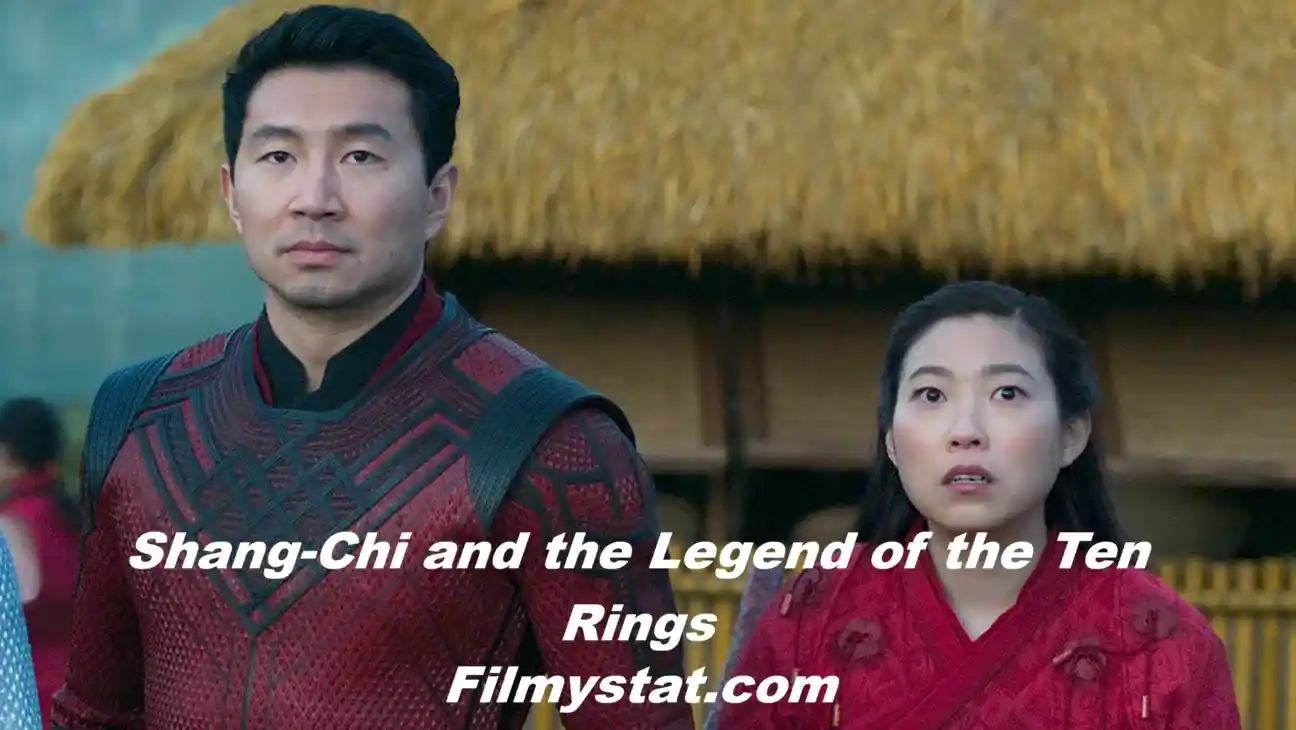
Shang-Chi and the Legend of the Ten Rings marks a major expansion of the Marvel Cinematic Universe by introducing a new hero rooted in martial arts, family legacy, and cultural mythology. Released in 2021, the film blends grounded hand-to-hand combat with mystical elements, offering a fresh narrative tone within Phase Four of the MCU.
Unlike many origin stories driven by destiny or accident, Shang-Chi is deeply personal. It explores the weight of inheritance, unresolved grief, and the struggle to define one’s identity independent of parental expectations.
This article follows a spoiler-free structure first, with a clearly separated spoiler section later.
Shang-Chi and the Legend of the Ten Rings
| Detail | Information |
|---|---|
| Release Year | 2021 |
| Genre | Superhero, Action, Fantasy, Martial Arts |
| Director | Destin Daniel Cretton |
| Studio | Marvel Studios |
| MCU Phase | Phase Four |
| Runtime | Approx. 132 minutes |
Overview:
Shang-Chi introduces a hero whose greatest challenge is not mastering power, but reconciling family legacy with personal identity.
Story Overview
Shang-Chi has built a quiet life far removed from his past, attempting to live anonymously without the burden of his family history. However, that past is impossible to escape. Events force him to confront the legacy of the Ten Rings and the powerful figure who shaped his childhood.
The story unfolds across different locations and emotional states, gradually revealing Shang-Chi’s upbringing and the forces that defined him. Rather than relying on a simple good-versus-evil conflict, the film frames its central struggle around family, memory, and grief.
The narrative balances grounded martial arts action with mythological storytelling, maintaining emotional clarity even as the scale expands.
Shang-Chi as a Hero
Shang-Chi is defined less by ambition and more by restraint. He does not seek power, recognition, or leadership. Instead, his journey is shaped by the need to confront what he has been taught versus what he believes.
Key traits that define Shang-Chi:
- Emotional discipline
- Moral clarity shaped by trauma
- Resistance to repeating destructive patterns
His heroism comes from choosing empathy over dominance, making him distinct within the MCU.
Family Legacy and Internal Conflict
At the heart of the film lies a complex family dynamic. Shang-Chi’s relationship with his parents defines both his strengths and fears.
The film explores:
- How parental influence shapes identity
- The cost of unresolved grief
- The danger of legacy becoming destiny
Rather than presenting family as purely supportive or harmful, the film treats it as a source of both love and conflict.
The Ten Rings: Power and Meaning
The Ten Rings are more than a weapon. They symbolize control, obsession, and the illusion of permanence. Their influence extends beyond physical power, affecting decisions, relationships, and morality.
The film reframes power as something that:
- Amplifies intention
- Exposes emotional weakness
- Demands responsibility
This approach aligns with the film’s broader thematic focus on balance rather than domination.
Supporting Characters and Their Roles
Katy
Katy represents grounding and self-acceptance. Her arc emphasizes that heroism can take many forms and that growth is often quiet and internal.
Xialing
Xialing embodies resilience and ambition. Her story highlights the consequences of exclusion and the desire to reclaim agency in a system that denied her voice.
Wenwu
Wenwu is one of the MCU’s most emotionally complex antagonists. His motivations are rooted in love, grief, and loss rather than conquest, making the conflict deeply personal.
Themes That Define Shang-Chi
Identity and Choice
The film emphasizes that identity is shaped by choice, not inheritance.
Grief and Obsession
Unprocessed grief becomes destructive when it replaces acceptance.
Balance Over Control
True strength lies in harmony between emotion and discipline.
Breaking Cycles
Shang-Chi’s journey is about ending patterns of violence rather than continuing them.
Action Style and Visual Language
Shang-Chi features some of the most refined combat choreography in the MCU. Action scenes emphasize movement, rhythm, and emotional storytelling rather than raw spectacle.
As the film progresses, the visual language evolves from grounded martial arts to myth-inspired fantasy, mirroring Shang-Chi’s internal transformation.
Shang-Chi’s Role in the MCU
Within Phase Four, Shang-Chi serves as both a standalone story and a gateway to larger mythological elements.
The film:
- Expands the MCU’s mystical lore
- Introduces new power systems
- Establishes Shang-Chi as a long-term core character
It signals a shift toward more culturally diverse storytelling within the MCU.
Spoiler Section: Ending Explained
The final act brings Shang-Chi face-to-face with the emotional consequences of unresolved grief. The resolution emphasizes acceptance rather than victory, reinforcing the film’s core themes.
Shang-Chi’s final choice reflects growth through balance, not domination. He embraces responsibility without surrendering compassion.
The ending reinforces the message:
Power without emotional balance leads to destruction.
Audience and Critical Reception
Shang-Chi was widely praised upon release.
- Audiences appreciated its action and emotional depth
- Critics highlighted its character focus and cultural representation
- The film became one of the strongest-received Phase Four entries
Its success demonstrated that the MCU could evolve without losing narrative coherence.
Frequently Asked Questions
Is Shang-Chi essential to the MCU?
Yes. It introduces major characters and expands mystical lore.
Is the movie family-friendly?
Yes, though it includes intense action and emotional themes.
Does it connect to future MCU stories?
Yes. The Ten Rings have wider implications.
Is Shang-Chi a powerful Avenger?
Yes, but his strength lies in balance rather than raw force.
Does the film rely heavily on CGI?
The action prioritizes choreography, with CGI supporting the story.
Final Verdict
Shang-Chi and the Legend of the Ten Rings is a confident, emotionally rich MCU film that blends martial arts, mythology, and character-driven storytelling. It introduces a hero whose journey is defined by choice, balance, and emotional maturity.
Rather than redefining the MCU through scale, the film does so through depth and identity, making it one of Phase Four’s strongest entries.
Related: Phase Four >> Chronological Order >> Hub Page