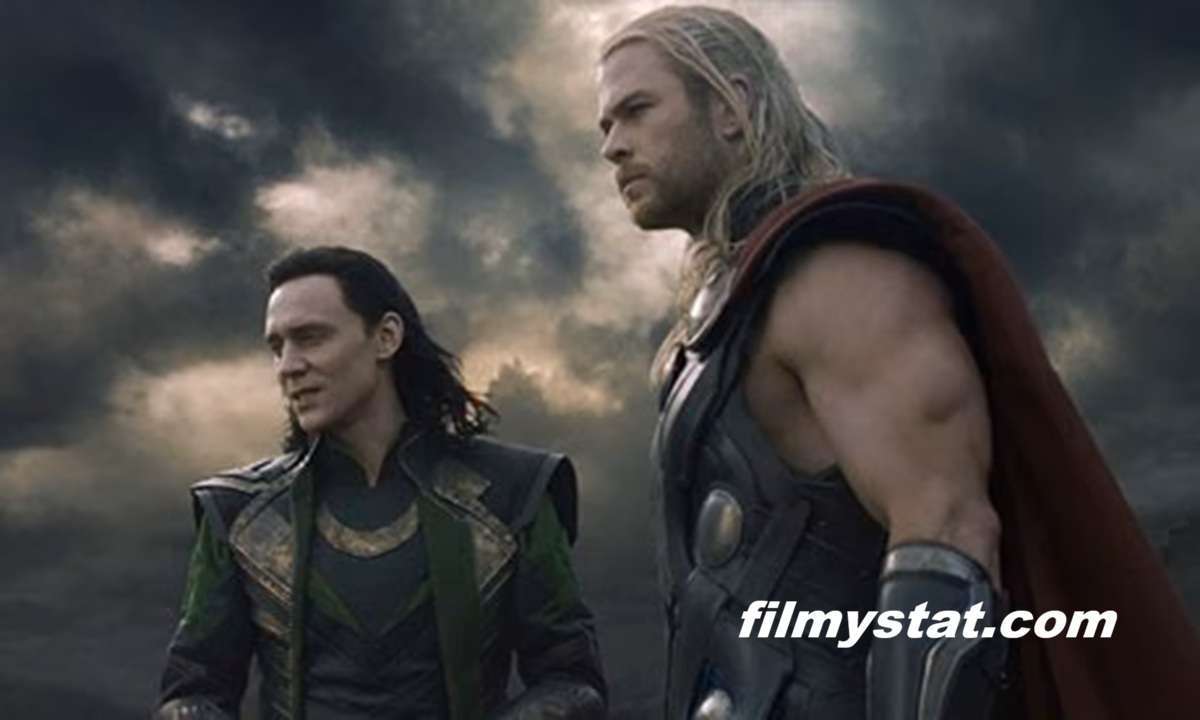
Thor: The Dark World is the second solo film centered on the God of Thunder and an important chapter in the Marvel Cinematic Universe’s Phase Two. While often considered one of the quieter MCU entries, the film plays a crucial role in expanding the cosmic side of Marvel and deepening Thor’s emotional journey.
This guide offers a detailed, reader-friendly breakdown of the movie, including story overview, character analysis, major themes, spoiler-separated ending explanation, and its long-term impact on the MCU.
Thor: The Dark World – Basic Details
| Detail | Information |
|---|---|
| Release Year | 2013 |
| Genre | Superhero, Action, Fantasy |
| Director | Alan Taylor |
| Studio | Marvel Studios |
| MCU Phase | Phase Two |
| Runtime | Approx. 112 minutes |
Thor: The Dark World continues the story after the events of The Avengers and shifts the focus toward ancient cosmic threats rather than Earth-based conflicts.
Story Overview
After restoring peace across the Nine Realms, Thor resumes his role as Asgard’s protector. However, stability is short-lived when an ancient enemy awakens. The Dark Elves, led by Malekith, seek to reclaim a powerful force known as the Aether, a substance capable of plunging the universe into darkness.
When this dangerous energy becomes linked to Earth, Thor must bridge two worlds once again. The threat is not just physical but emotional, forcing Thor to confront difficult decisions involving love, loyalty, and leadership.
Rather than focusing on a single battlefield, the film moves across realms, blending cosmic mythology with grounded personal stakes.
Thor’s Character Journey
Thor begins the film as a seasoned warrior, no longer the impulsive prince introduced in his first solo movie. He now carries the burden of leadership and responsibility, both as Odin’s heir and as a protector of multiple realms.
Throughout the story, Thor faces a defining question:
Should he follow the path laid out for him as a future king, or forge his own destiny?
This inner conflict shapes many of his choices and adds emotional depth beyond the action sequences.
Jane Foster and the Human Connection
Jane Foster plays a central role in The Dark World, serving as Thor’s emotional anchor to Earth. Her curiosity and scientific brilliance draw her into the cosmic conflict, turning her into an unexpected key player.
Jane represents normal humanity in contrast to Asgard’s godly world. Her presence reminds Thor what he is fighting for beyond honor and duty.
The film strengthens their bond, making Thor’s personal sacrifices more meaningful.
Loki: The Film’s Emotional Core
Loki remains one of the most complex figures in the MCU, and this film leans heavily into that complexity. No longer a straightforward villain, Loki exists in a morally gray space.
He is:
- Manipulative yet vulnerable
- Betraying yet loyal in unexpected moments
- Driven by pain, jealousy, and unresolved family issues
His interactions with Thor are layered with history, rivalry, and unspoken affection. Their uneasy alliance becomes one of the film’s strongest elements.
The Villain and the Threat
Malekith, leader of the Dark Elves, represents an ancient force rather than a modern villain. His motivation is rooted in restoring what he believes is the universe’s natural state: darkness.
While understated compared to later MCU antagonists, Malekith serves as a symbol of:
- Ancient grudges
- The destructive nature of unchecked power
- The consequences of forgotten history
The threat he poses is less personal but immense in scale, pushing Thor to think beyond individual battles.
Themes Explored in Thor: The Dark World
Duty vs Desire
Thor must repeatedly choose between personal happiness and responsibility. This struggle defines his arc and shapes future decisions in later MCU films.
Family and Betrayal
The relationship between Thor, Loki, and Odin drives much of the emotional tension. Trust is fragile, and loyalty is constantly tested.
Sacrifice
Victory in this film does not come without cost. Characters lose, endure pain, and face irreversible consequences.
Light and Darkness
Beyond visual imagery, the theme reflects moral choices and emotional states. Darkness represents fear, loss, and vengeance, while light symbolizes hope and renewal.
Visual Style and World-Building
The film expands the MCU visually by:
- Exploring Asgard beyond the throne room
- Introducing darker, ancient realms
- Blending fantasy elements with science fiction
The Nine Realms feel more interconnected, reinforcing the idea that actions in one world affect many others.
Spoiler Section: Ending Explained
If you have not watched the film and want to avoid spoilers, skip this section.
In the final act, Thor confronts Malekith during a multi-realm battle that tests both his strength and leadership. Using strategy rather than brute force, Thor ultimately stops the Dark Elves from using the Aether to reshape reality.
However, the victory is bittersweet. Losses are suffered, and Thor’s perception of power and kingship changes. He realizes that ruling is not simply about strength or legacy, but about understanding the people one protects.
The ending also reshapes Thor’s relationship with Asgard and leaves lingering uncertainty around Loki, setting the stage for future developments.
Importance in the MCU Timeline
Although often overlooked, Thor: The Dark World plays a meaningful role in the MCU:
- Introduces major cosmic concepts
- Deepens Thor and Loki’s character arcs
- Sets emotional groundwork for later Avengers films
- Expands the universe beyond Earth-centric stories
Several elements introduced here echo strongly in later MCU phases.
Audience and Critical Reception
Upon release, the film received mixed critical responses. While praised for performances and visuals, some critics felt the villain lacked depth. Over time, however, audiences have revisited the film with greater appreciation for its character moments and narrative importance.
For fans invested in Thor’s long-term journey, this installment gains value when viewed within the full MCU context.
Frequently Asked Questions
Is Thor: The Dark World essential to the MCU?
It is not mandatory, but it provides important character and cosmic context.
Does the film connect to later Avengers movies?
Yes. Themes and character developments carry forward into later films.
Is this movie family-friendly?
It contains fantasy violence and intense scenes. Parental guidance is advised.
Who is Malekith?
He is an ancient Dark Elf seeking to restore darkness across the universe.
Are there post-credit scenes?
Yes. They hint at future cosmic storylines.
Final Verdict
Thor: The Dark World may not be the loudest or flashiest MCU film, but it is a vital chapter in Thor’s evolution. It balances cosmic mythology with personal struggle and adds emotional layers that pay off later in the franchise.
For viewers following the Marvel timeline seriously, this film deserves attention beyond its reputation.
Related: Phase two | Chronological Order | Hub Page
2 thoughts on “Thor: The Dark World (2013) – Complete Movie Guide, Plot, Characters, Themes, Ending Explained & MCU Importance”